


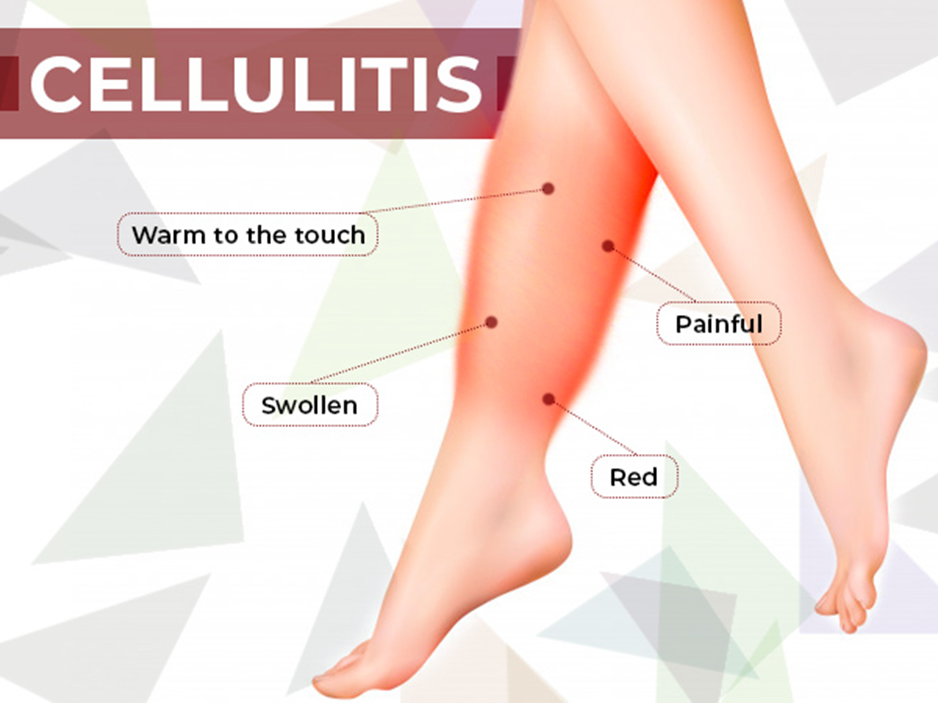
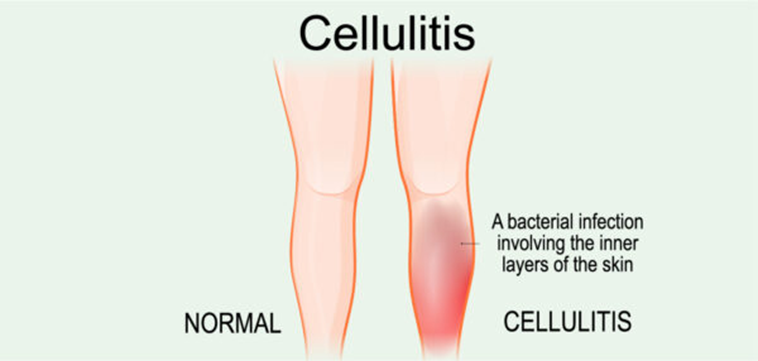
Cellulitis is a common, potentially serious bacterial skin infection that affects the deeper layers of the skin and the tissues beneath. It typically occurs when bacteria, most often Streptococcus or Staphylococcus enter the skin through a cut, scrape, or break, leading to inflammation and infection.
WHAT CAUSES CELLULITIS?
Cellulitis usually begins with a breach in the skin’s barrier, such as:
– Cuts, burns, or insect bites
– Surgical wounds
– Cracks in dry skin (especially on the feet)
– Skin conditions like eczema or athlete’s foot
COMMON SYMPTOMS
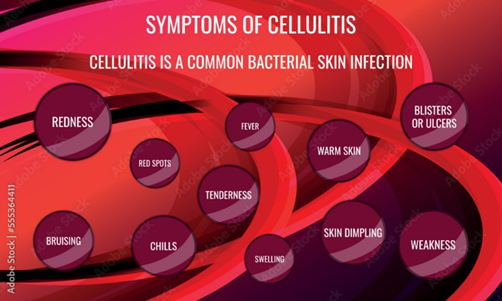
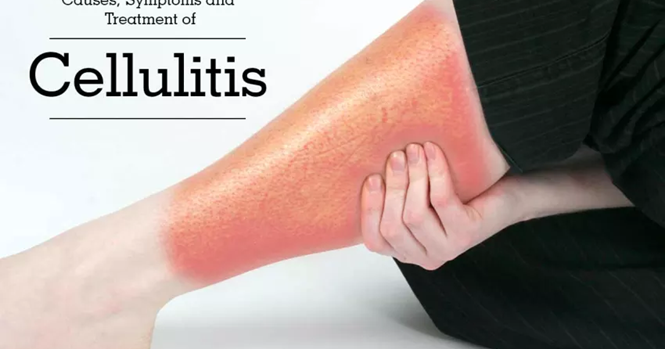
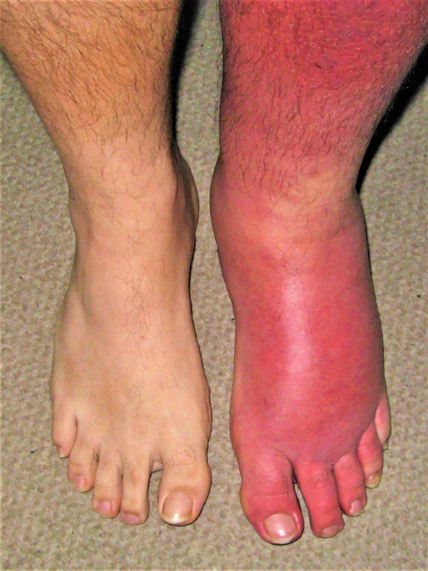
– Redness and swelling of the affected area
– Warmth and tenderness to touch
– Pain or discomfort
– Fever, chills, or fatigue (in more severe cases)
– Swollen lymph nodes near the infected area
Cellulitis most often affects the legs, but it can occur anywhere on the body, including the arms, face, or around the eyes.
WHO IS AT RISK?
– People with weakened immune systems
– Diabetics
– Those with chronic skin conditions
– Older adults
– Individuals with poor circulation or obesity
TREATMENT OPTIONS
Cellulitis requires prompt medical attention. Treatment typically includes:
– ORAL ANTIBIOTICS: For mild to moderate cases.
– IV ANTIBIOTICS: For more severe infections or those not responding to oral medications.
– PAIN MANAGEMENT: Over-the-counter pain relievers to ease discomfort.
– REST & ELEVATION: Helps reduce swelling in affected limbs.
WHEN TO SEE A DOCTOR
Seek immediate care if the redness spreads rapidly, you develop a high fever, or symptoms worsen despite treatment.
PREVENTING CELLULITIS
– Keep wounds clean and covered
– Moisturize skin to prevent cracking
– Wear protective clothing when outdoors
– Monitor and treat skin conditions early
Cellulitis can escalate quickly if left untreated, but with early diagnosis and proper care, recovery is usually swift. Protecting your skin and maintaining good hygiene are your best defenses against this potentially dangerous infection.
By: Adenola Eniola.