



One of the most compelling shifts in global travel trends is the rise of dark tourism, the act of visiting places historically associated with tragedy, death, or suffering. Far from the sun-soaked beaches or bustling cities, dark tourism offers a reflective, often emotional journey through sites that tell the darker stories of humanity.
From Auschwitz-Birkenau in Poland and the Kigali Genocide Memorial in Rwanda, to Ground Zero in New York and the Chernobyl Exclusion Zone in Ukraine, these destinations attract visitors not out of morbid curiosity, but out of a desire to understand, remember, and pay respect.
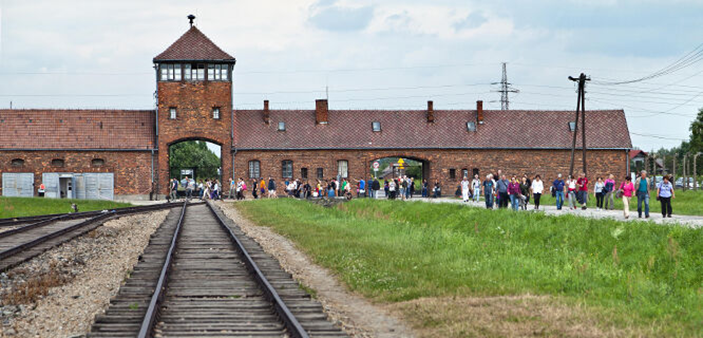
Dark tourism isn’t about sensationalism, it’s rooted in education, remembrance, and awareness. Tourists are increasingly seeking deeper, more meaningful travel experiences, and dark tourism sites provide powerful opportunities to learn about global conflicts, disasters, and the resilience of people in the face of unimaginable hardship.
Responsible tourism is key in this space. Respectful behavior, guided tours, and cultural sensitivity are essential in preserving the integrity of these sites and honoring the people affected.
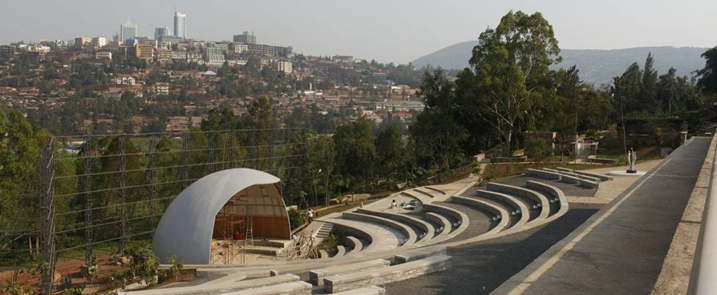
In an age where tourism is not just about escape but also engagement, dark tourism stands as a stark reminder of our shared past, and a powerful tool for reflection and empathy.
By; Adenola Eniola.