


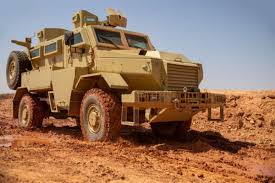
In early 2025, the Nigerian military took a decisive step to modernize its counter-terrorism capabilities, attending the IDEX defense exhibition in Abu Dhabi to negotiate the purchase of over 100 armored vehicles from Egypt’s Eagles International for Defense Systems. This move marked a significant escalation in Nigeria’s efforts to bolster its ground forces against Boko Haram and other insurgent groups, reflecting an increasing recognition that advanced equipment is essential for sustaining prolonged operations in the volatile northern and northeastern regions. The acquisitions are part of a broader, multi-pronged strategy to enhance mobility, protection, and operational effectiveness in high-risk areas.
Over the previous year, Nigeria had already made notable progress in strengthening its arsenal. In May 2024, 20 locally produced light armored vehicles, modeled after the Chinese Dong Feng CSK-131, were delivered by Equipment Protective Applications International Limited, intended for reconnaissance and counter-terrorism missions. By December, five Hulk mine-resistant ambush-protected vehicles joined the fleet, manufactured by Proforce Defence, complementing existing domestically built Ara II MRAPs. Military motorcycles, sometimes called “mountain climber bikes,” also formed part of this modernization, allowing troops to navigate rugged terrains more efficiently, continuing a legacy of acquisitions from the Buhari administration aimed at rapid response and mobility.
These efforts culminate in a strategic blend of local manufacturing and international partnerships, signaling Nigeria’s commitment to self-reliance while leveraging foreign expertise. In November 2025, the army chief reaffirmed that intensified operations against terrorists were a national priority, supported further by a $346 million U.S. arms deal aimed at precision engagements to reduce civilian casualties. By simultaneously investing in domestic production and targeted foreign procurement, Nigeria is positioning itself to confront insurgent threats more effectively, building a military framework capable of sustaining long-term security operations in some of the country’s most volatile regions.
COPIED