


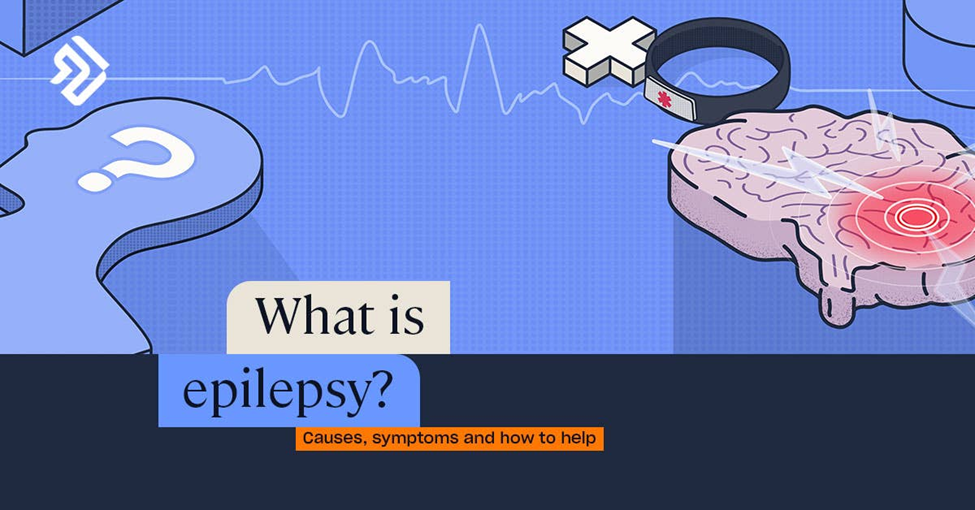
Epilepsy is a neurological disorder marked by recurring, unprovoked seizures caused by sudden electrical disturbances in the brain. It affects people of all ages and walks of life, yet it remains misunderstood and often stigmatized.
WHAT CAUSES EPILEPSY?
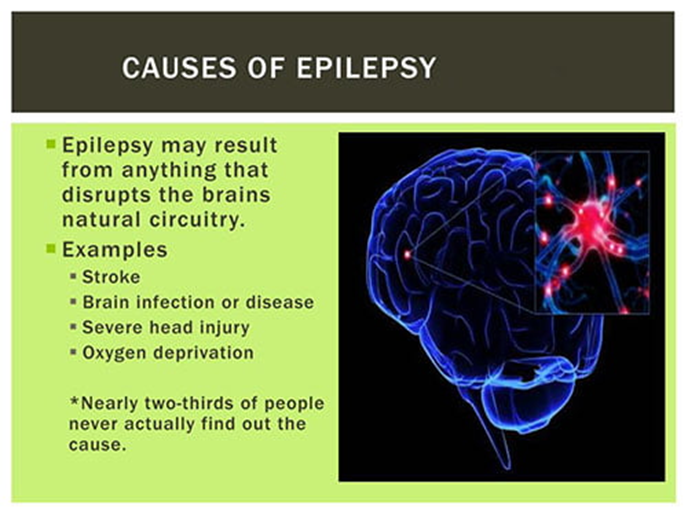
Epilepsy can result from various factors, including:
– Genetic predisposition
– Brain injuries (e.g., trauma, stroke, or infections like meningitis)
– Developmental disorders (e.g., autism)
– Tumors or structural abnormalities in the brain
However, in many cases, the exact cause is unknown.
RECOGNIZING THE SYMPTOMS
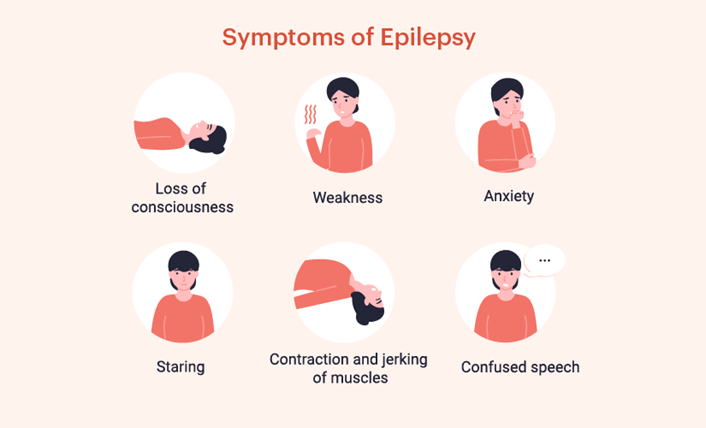
Seizures vary widely, depending on the type and part of the brain affected. Common signs include:
– Sudden stiffness or jerking movements
– Loss of awareness or consciousness
– Confusion or staring spells
– Unusual sensations (like smells, tastes, or feelings)
Not all seizures look dramatic, some may last only seconds and be hard to detect.
DIAGNOSIS AND TREATMENT

Doctors typically use EEGs, MRIs, and medical history to diagnose epilepsy. While there’s no cure yet, epilepsy can often be managed with:
– Anti-seizure medications
– Lifestyle adjustments (like sleep, stress management)
– Surgery or medical devices in certain cases
LIVING WITH EPILEPSY

People with epilepsy can lead full, active lives. Education, understanding triggers, and support from loved ones make a huge difference. It’s also vital to break social stigmas through awareness.
Epilepsy is a manageable condition. With the right care and support, individuals living with it can thrive, achieve goals, and enjoy a high quality of life.
By: Adenola Eniola.