


Upskilling refers to enhancing existing skills to perform better in a current role or adapt to new tools, technologies, and methods within the same field. A marketing professional learning data analytics or an accountant mastering automation software are examples of upskilling. The goal is refinement, efficiency, and deeper expertise.
Reskilling, on the other hand, involves learning entirely new skills to transition into a different role or career path. A factory worker training in robotics maintenance or a customer service agent learning UX design exemplifies reskilling. It is a strategic response to job displacement, industry disruption, and emerging career opportunities.
Both approaches empower individuals and organizations to remain competitive in a volatile marketplace.
Why Upskilling And Reskilling Matters
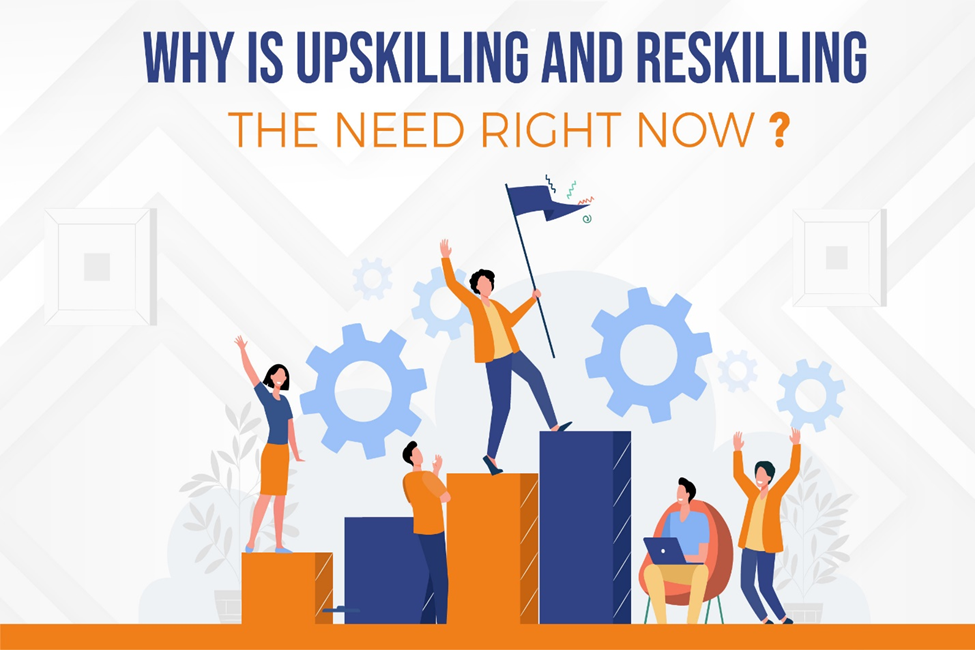
Automation, artificial intelligence, and digital transformation are reshaping how work is done. Some roles are becoming redundant, while new ones are being created at an unprecedented pace. Without deliberate skill development, workers risk obsolescence.
For individuals, continuous learning ensures employability, career mobility, higher earning potential, and personal confidence. It enables professionals to stay relevant, embrace innovation, and seize new opportunities instead of fearing change.
For organizations, a skilled workforce drives productivity, innovation, employee engagement, and retention. Companies that invest in learning cultures adapt faster to market demands and reduce recruitment costs by developing talent internally.
For economies, widespread reskilling strengthens workforce resilience and supports sustainable growth in a knowledge-driven world.
HOW TO UPSKILL AND RESKILL EFFECTIVELY
1. Assess Skill Gaps – Identify current competencies and compare them with industry demands.
2. Set Clear Goals – Define whether the objective is advancement, transition, or specialization.
3. Choose the Right Learning Platforms – Online courses, professional certifications, workshops, mentoring, and experiential learning.
4. Practice Consistently – Apply new skills through projects, simulations, or real-world challenges.
5. Track Progress – Measure outcomes and refine learning strategies regularly.
6. Build a Learning Habit – Dedicate time weekly for continuous education.
Learning is most powerful when it is intentional, structured, and aligned with career objectives.
The future of work will not reward those who cling to outdated knowledge, but those who embrace transformation with curiosity and courage. Upskilling strengthens what you already know; reskilling opens doors to what you can become. Together, they empower individuals to navigate uncertainty, reinvent themselves, and thrive in an ever-changing world.
In a knowledge economy, learning is no longer a phase of life, it is a way of life.
By: Adenola Eniola.