


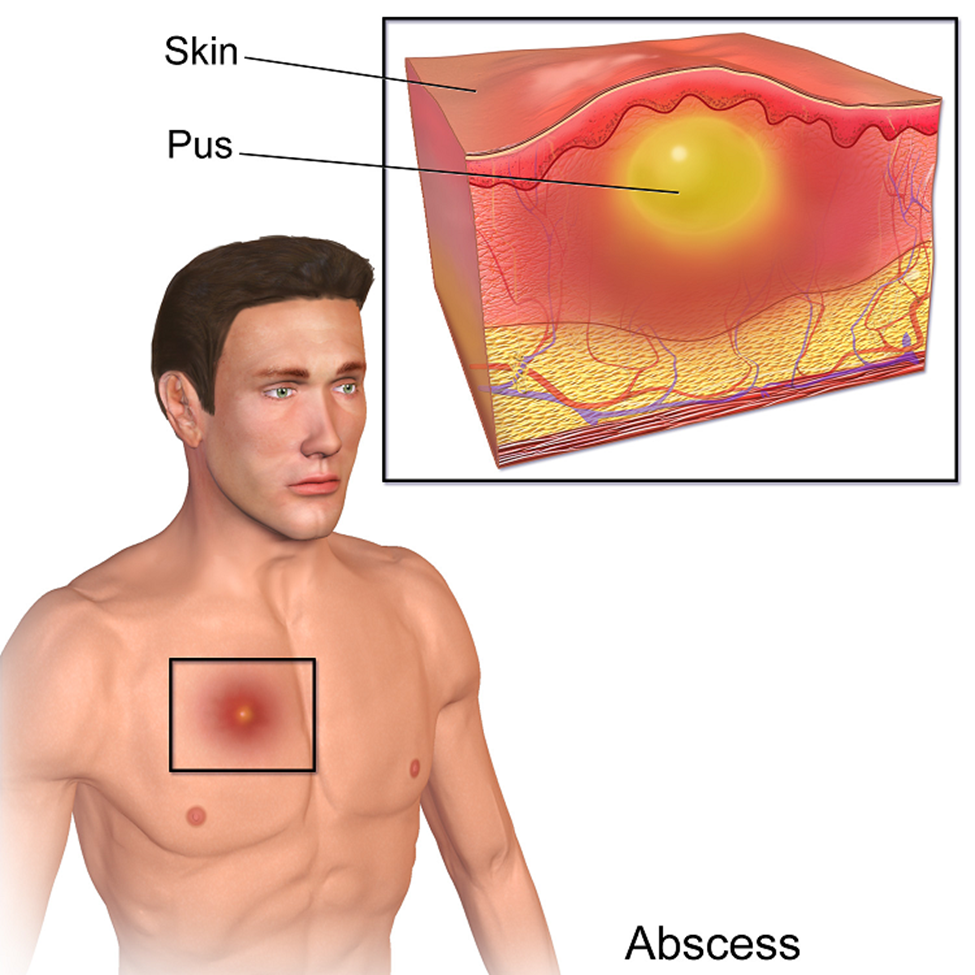
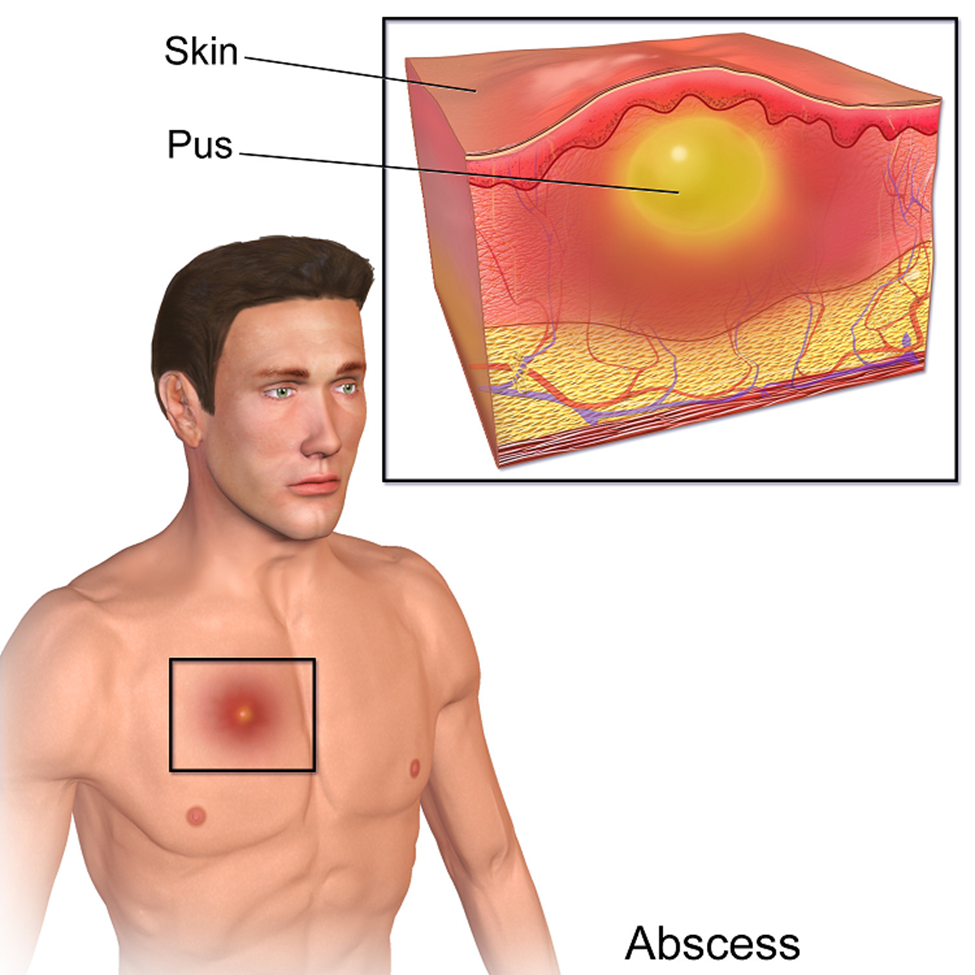
An abscess is a localized collection of pus that forms as the body’s response to infection. While it may appear as a simple swollen lump, an abscess signals an underlying immune battle and should never be ignored. When properly understood and treated, most abscesses resolve without complications. When neglected, however, they can lead to serious health risks.
Abscesses can occur anywhere in the body. Skin abscesses are the most common and include boils and carbuncles. Internal abscesses, such as those in the abdomen, lungs, or brain, are less visible but often more serious.
COMMON CAUSES AND RISK FACTORS
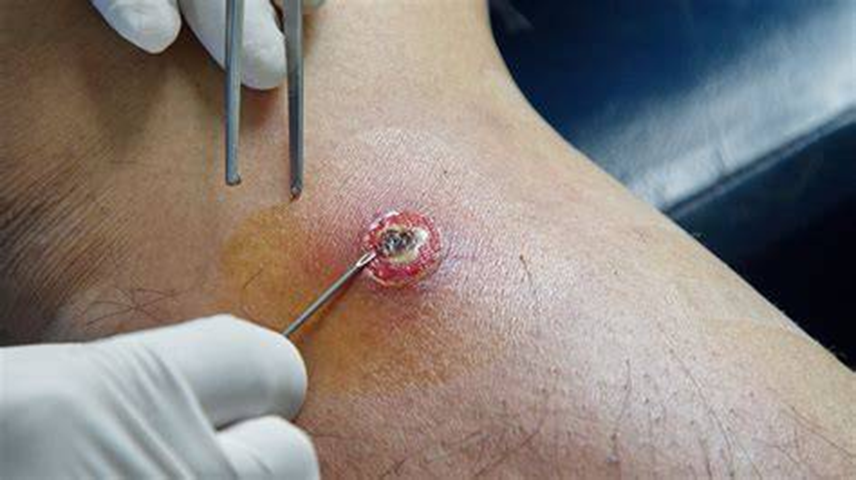
Several factors increase the likelihood of developing an abscess, including poor hygiene, minor skin injuries, ingrown hairs, and blocked sweat or oil glands. Certain health conditions, such as diabetes, weakened immunity, obesity, and chronic skin disorders, also raise the risk. Close skin-to-skin contact and exposure to contaminated environments can further contribute to infection.
SIGNS AND SYMPTOMS
A skin abscess typically appears as a painful, swollen, red lump that feels warm to the touch. As it progresses, the center may soften and fill with pus. Fever, fatigue, and swollen lymph nodes may occur if the infection spreads.
Internal abscesses often present with more generalized symptoms, including persistent fever, chills, localized pain, and a general feeling of illness. Because they are hidden, diagnosis usually requires imaging studies such as ultrasound or CT scans.
DIAGNOSIS AND TREATMENT
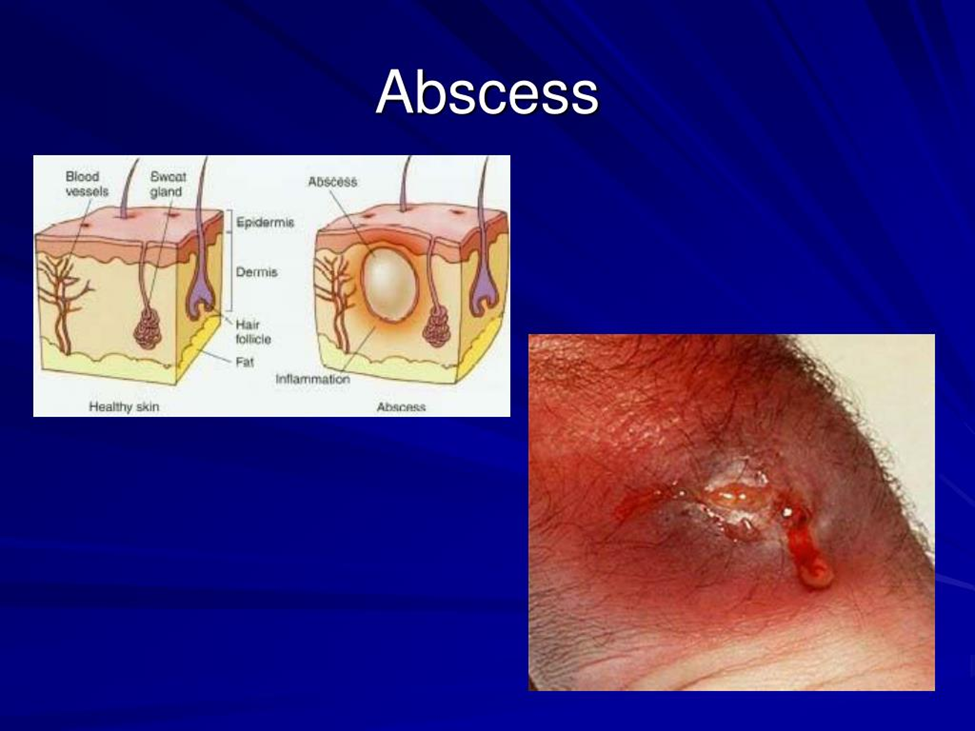
Diagnosis is often based on physical examination for skin abscesses. Internal abscesses require medical imaging and, in some cases, laboratory tests.
Treatment depends on the size, location, and severity of the abscess. Small skin abscesses may drain on their own with warm compresses. Larger or painful abscesses usually require incision and drainage by a healthcare professional. Antibiotics may be prescribed, especially if the infection is severe, spreading, or occurs in individuals with weakened immunity.
Importantly, abscesses should never be squeezed or punctured at home, as this can push infection deeper into surrounding tissues.
PREVENTION AND WHEN TO SEEK HELP
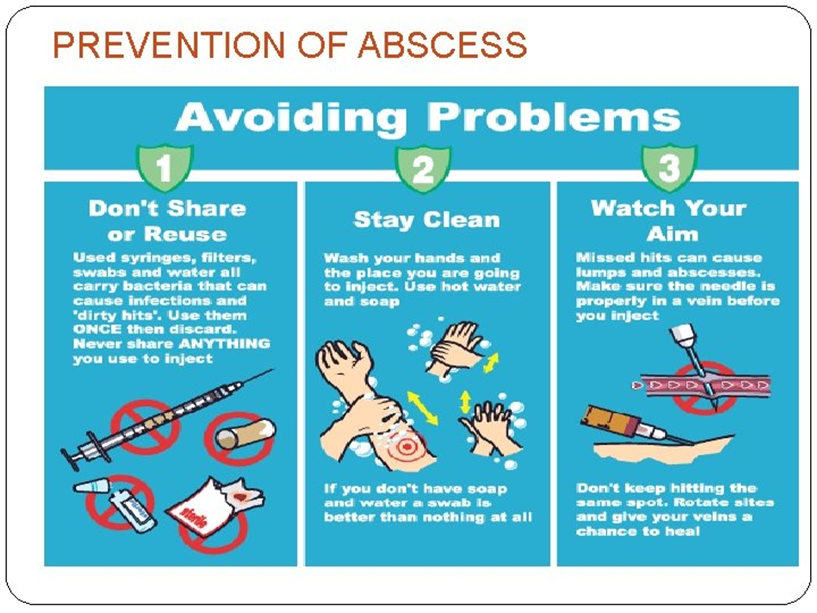
Good personal hygiene, prompt cleaning of cuts and wounds, and avoiding the sharing of personal items such as towels or razors can reduce the risk of abscess formation. Managing underlying conditions like diabetes is also crucial.
Medical attention should be sought if an abscess is rapidly growing, extremely painful, accompanied by fever, or does not improve within a few days. Internal abscesses always require urgent medical care.
An abscess is more than a minor skin problem, it is a sign of infection that demands attention. Early recognition and proper treatment are key to preventing complications. With timely care and preventive measures, most abscesses can be effectively treated, restoring health and comfort.
By: Adenola Eniola.