



In the modern workplace, information is the primary currency. However, its value isn’t determined by how much you produce, but by how quickly and clearly it can be consumed.
Business writer view writing not as a creative outlet, but as a tool for efficiency. Whether you are drafting a pitch, an internal memo, or a performance review, your goal is to reduce the “cognitive load” on your reader.
- THE GOLDEN RULE: AUDIENCE-CENTRICITY

Before you type a single word, you must answer two questions:
Who is reading this? (A busy executive? A technical team? A frustrated client?)
What do I want them to do? (Approve a budget? Change a behavior? Understand a new policy?)
If your writing doesn’t make the “ask” clear within the first paragraph, you’ve already lost your audience.
- THE ANATOMY OF IMPACTFUL WRITING
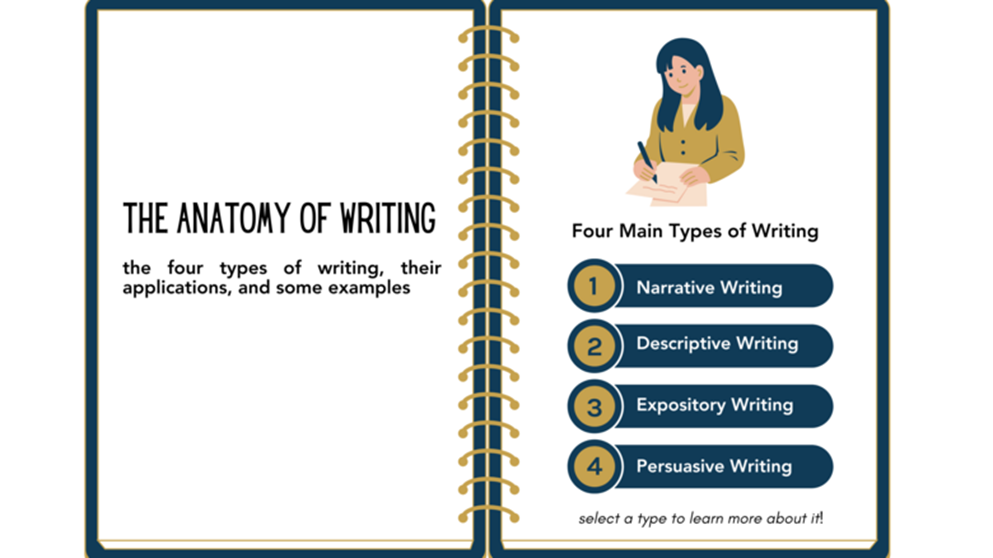
To move from “dense” to “dynamic,” focus on these three structural pillars:
PRECISION OVER POMP
Business writing is not the place for “flowery” language or academic jargon.
Weak: “It is our recommendation that a synergy be established between the departments.”
Strong: “We recommend the marketing and sales teams meet weekly.”
THE POWER OF THE ACTIVE VOICE
The active voice assigns responsibility and creates momentum. It makes your sentences shorter and more authoritative.
Passive: “The report was finished by the team.”
Active: “The team finished the report.”
FORMATTING FOR SCANNABILITY
Most professionals “scan” before they “read.” If your email looks like a wall of text, it will be flagged for “later” (which often means never). Use:
Bold headers to categorize ideas.
Bullet points for lists or data sets.
White space to give the reader’s eyes a rest.
- THE “SO WHAT?” TEST

Every paragraph should pass the “So What?” test. If a sentence doesn’t provide essential context or drive the reader toward the goal, delete it. In business, brevity is a sign of respect for the reader’s time.
- COMMON PITFALLS TO AVOID

Pitfall – Vague Subject Lines
The Fix – Use specific summaries (e.g., “Action Required: Budget Approval by Friday”).
Pitfall – Hedging Language
The Fix – Avoid “I think,” “I feel,” or “maybe.” State your case with confidence.
Pitfall – Emotional Reactivity
The Fix – Never send a business document while frustrated. Draft, wait, and edit for tone.
WRITING IS THINKING
Clear writing is the result of clear thinking. When you take the time to organize your thoughts and simplify your language, you aren’t just “writing an email”—you are demonstrating leadership and professional competence.
The best business writing doesn’t draw attention to the writer; it draws attention to the idea.
By: Adenola Eniola.