



Wine tourism, often called enotourism, is more than a leisurely stroll through vineyards or a glass enjoyed at sunset, it is a cultural journey that blends travel, heritage, gastronomy, and storytelling into one immersive experience. Across the world, wine regions are welcoming travelers not just to taste their wines, but to understand the land, people, and traditions that give each bottle its identity.
At the heart of wine tourism is the vineyard. Rolling hills lined with grapevines offer a sense of calm and connection to nature, inviting visitors to slow down and savor the moment. From France’s Bordeaux and Italy’s Tuscany to South Africa’s Stellenbosch and California’s Napa Valley, wine regions have become iconic travel destinations, celebrated for both their wines and their landscapes.
Yet wine tourism extends far beyond the vineyard rows. Visitors are drawn into the winemaking process itself, learning about grape varieties, harvesting seasons, fermentation, and aging techniques. Guided cellar tours and wine tastings transform casual drinkers into informed enthusiasts, deepening appreciation for the craftsmanship behind every bottle.
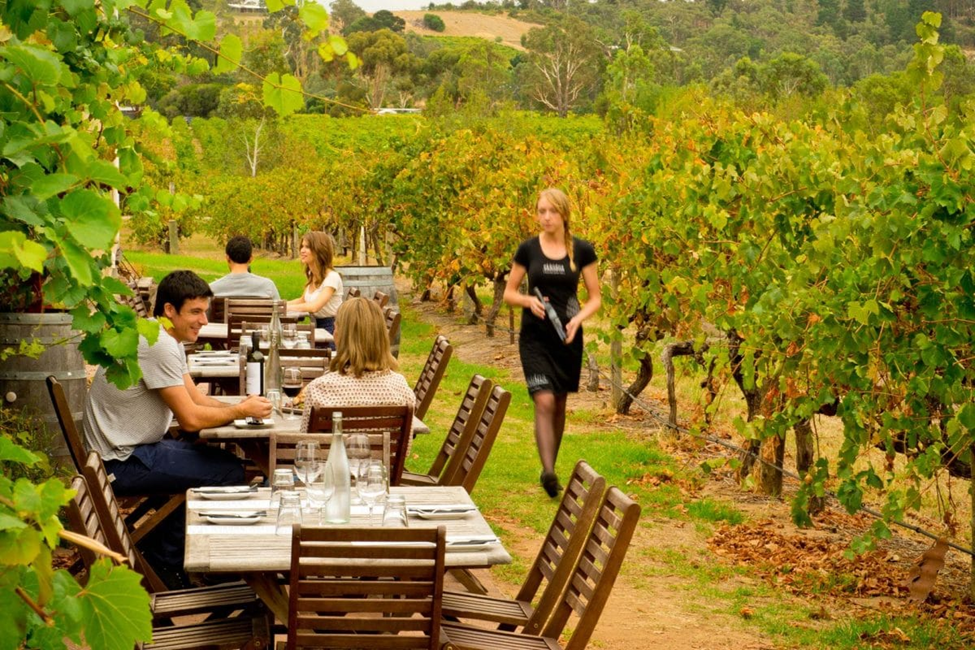
Food plays a central role in the experience. Many wine destinations pair tastings with local cuisine, showcasing how regional dishes complement specific wines. Farm-to-table restaurants, wine-paired dinners, and culinary festivals create unforgettable sensory experiences, where taste, aroma, and place come together harmoniously.
Wine tourism also preserves and promotes cultural heritage. Historic wineries, centuries-old cellars, and traditional winemaking methods tell stories passed down through generations. In many regions, festivals celebrating the grape harvest, such as vendange celebrations, offer visitors a chance to participate in age-old customs, music, and dance.
Economically, wine tourism has become a powerful driver for local development. It supports small wineries, creates jobs, encourages sustainable agriculture, and stimulates growth in hospitality, transportation, and artisan industries. Increasingly, eco-friendly practices and responsible tourism are shaping the future of wine travel, ensuring that landscapes and communities are protected for generations to come.

Ultimately, wine tourism is about connection, between traveler and destination, tradition and innovation, earth and glass. It invites people to explore the world one vineyard at a time, discovering not just new wines, but new stories, cultures, and ways of life.
For travelers seeking experiences that are refined yet grounded, indulgent yet meaningful, wine tourism offers a journey worth savoring, long after the last sip is taken.
By: Adenola Eniola.