


Entrepreneurship is often romanticized as a bold leap, an inspired individual with a brilliant idea, chasing freedom and fortune. In reality, entrepreneurship is less about sudden breakthroughs and more about sustained commitment: to learning, to problem-solving, and to building value where it didn’t exist before.
At its core, entrepreneurship is the practice of identifying opportunities and organizing resources to meet unmet needs. Those needs might be commercial, social, or technological, but the driving force is the same: a willingness to take responsibility for uncertainty and transform it into something useful.
FROM IDEA TO EXECUTION

Ideas are plentiful; execution is rare. The transition from concept to company demands discipline. This includes validating assumptions, understanding the customer, managing cash flow, and building systems that can scale. Entrepreneurship is as much about operational excellence as it is about creativity.
Early-stage entrepreneurs often wear multiple hats, strategist, marketer, salesperson, and accountant. Over time, growth requires delegation and trust. Building a strong team becomes one of the entrepreneur’s most critical responsibilities, as no venture succeeds in isolation.
RISK, REWARD, AND RESPONSIBILITY
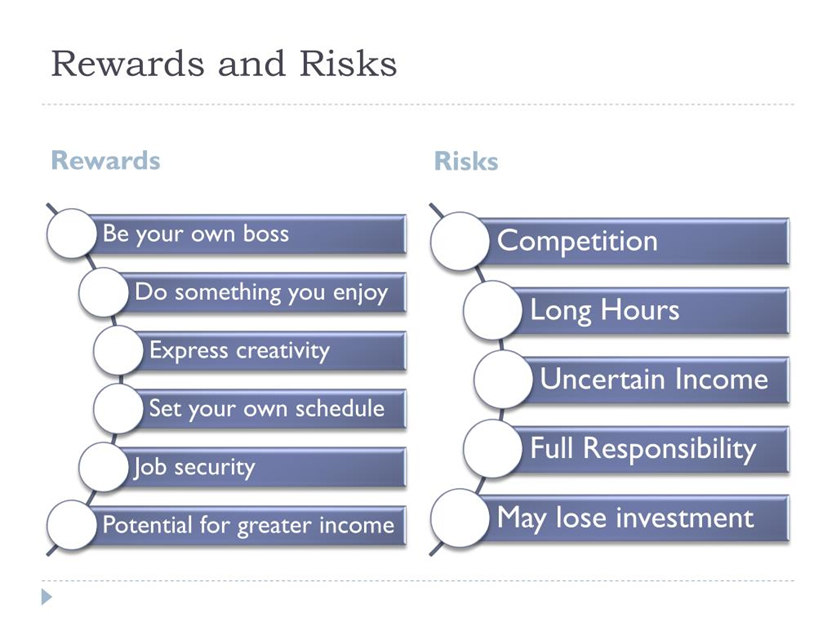
Entrepreneurship involves risk, but not recklessness. The most effective entrepreneurs manage risk through research, experimentation, and incremental progress. They make informed bets rather than blind gambles.
With reward comes responsibility. Entrepreneurs influence employees’ livelihoods, shape customer experiences, and contribute to their communities. Ethical decision-making and long-term thinking are not optional extras; they are foundational to sustainable success.
ENTREPRENEURSHIP IN THE MODERN LIFE

Today’s entrepreneurial landscape is more accessible, and more competitive, than ever. Digital tools, global markets, and remote teams have lowered barriers to entry. At the same time, they have raised expectations for quality, speed, and innovation.
Modern entrepreneurs must also contend with broader challenges: environmental sustainability, social impact, and rapid technological change. Increasingly, success is measured not only by profit, but by purpose.
Entrepreneurship is not a shortcut to success, nor is it reserved for a select few. It is a demanding, iterative process that rewards persistence, learning, and integrity. For those willing to embrace uncertainty and commit to creating real value, entrepreneurship offers more than financial return, it offers the opportunity to shape the future, one decision at a time.
By: Adenola Eniola.