


In the competitive landscape of professional growth, we often talk about “rising and grinding.” But for approximately 8% to 30% of the population, the act of waking up isn’t always a smooth transition to productivity.
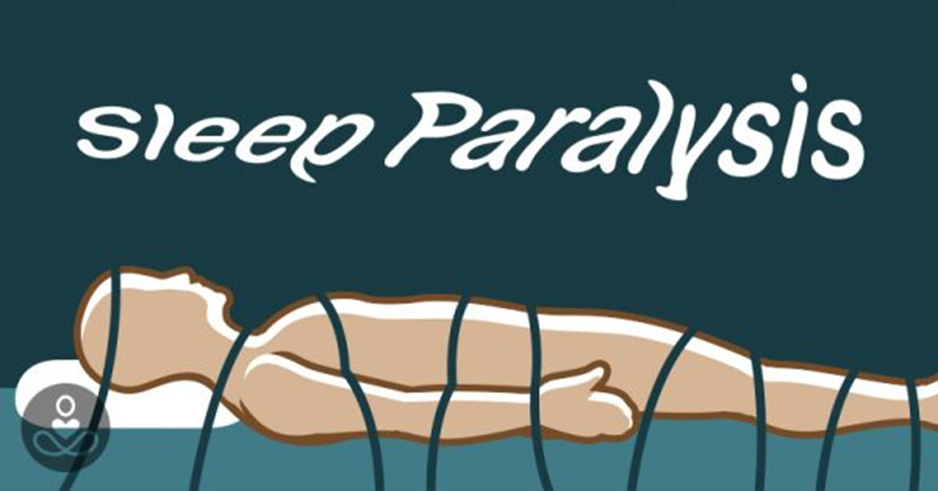
Sleep paralysis is a temporary inability to move or speak while transitioning between sleep and wakefulness, is often discussed as a medical curiosity. However, as a career writer, I see it as a significant, yet silent, hurdle to professional peak performance.
THE PROFESSIONAL “HANGOVER”- HOW IT IMPACTS YOUR CAREER

While sleep paralysis itself is physically harmless, its “after-effects” can sabotage your workday in three critical ways:
THE CONCENTRATION GAP– Episodes are often accompanied by intense fear or “waking nightmares”. This emotional distress can lead to daytime fatigue and “brain fog,” making it difficult to focus on complex tasks or retain information during meetings.
THE EMOTIONAL TAX– Chronic episodes can create “sleep anxiety”—a fear of going to bed. In the workplace, this manifests as irritability and mood swings, which can strain professional relationships and dampen teamwork.
SAFETY AND PRECISION RISKS– For those in high-stakes roles, like healthcare, aviation, or shift work, the resulting sleep deprivation increases the risk of costly errors or accidents.
CAREER-FRIENDLY MANAGEMENT STRATEGIES

You don’t have to let a sleep disorder dictate your career trajectory. Here is how to manage it while maintaining your professional edge:
AUDIT YOUR “C-SUITE” SLEEP HYGIENE
CONSISTENCY IS KEY– Stick to a strict sleep-wake schedule, even on weekends, to stabilize your internal clock.
OPTIMIZE YOUR ENVIRONMENT: Ensure your bedroom is dark, quiet, and cool (ideally 60–67°F).
STRATEGIC POSITIONING: Avoid sleeping on your back, which can make episodes 3 to 4 times more likely.
IN-THE-MOMENT RECOVERY-

If you find yourself paralyzed, don’t fight it—that often intensifies the panic. Instead, focus on moving a single small muscle, like a finger or toe. This “micro-movement” can signal your brain to fully wake the body.
ADDRESS THE TRIGGERS
High-stress periods or irregular work shifts are major triggers. If your job demands are causing frequent episodes, consider speaking with a specialist about Cognitive Behavioral Therapy for Insomnia (CBT-I) to improve your overall sleep architecture.
In business, we prioritize “risk management.” Managing your sleep is the ultimate risk management for your most valuable asset: yourself. By addressing sleep paralysis head-on, you aren’t just improving your nights; you’re securing your professional future.