


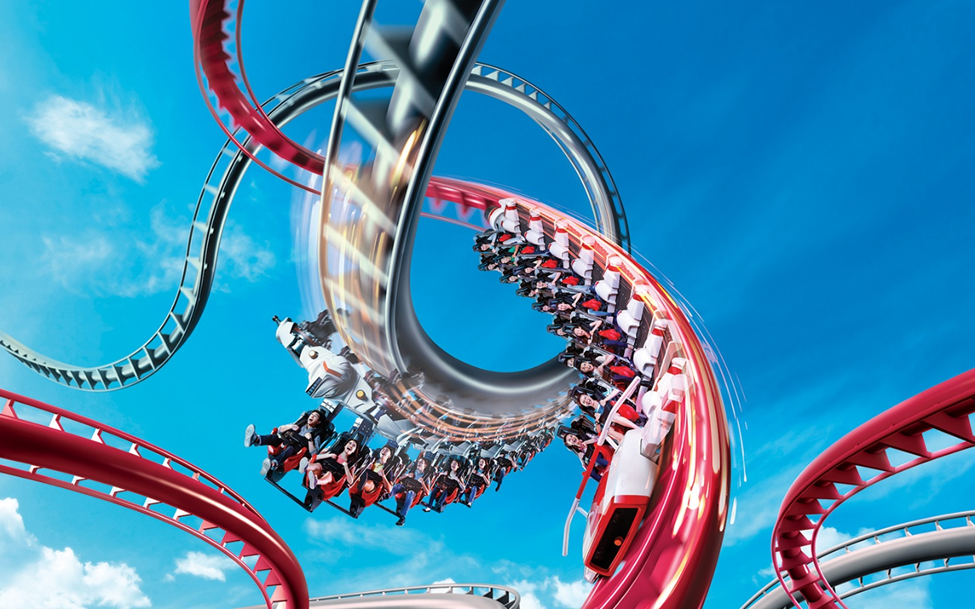
For decades, theme park tourism was defined by primary-colored plastic, concession-stand hot dogs, and the endurance test of standing in four-hour lines. But today, the industry has undergone a cinematic transformation. Modern theme parks are no longer just “amusement parks”, they are immersive ecosystems designed to transport travelers into the heart of their favorite stories.
From the hyper-detailed streets of The Wizarding World of Harry Potter to the futuristic landscapes of Star Wars: Galaxy’s Edge, theme park tourism has become a sophisticated, multi-billion-dollar pillar of global travel.
- FROM “ATTRACTIONS” TO “TOTAL IMMERSION”
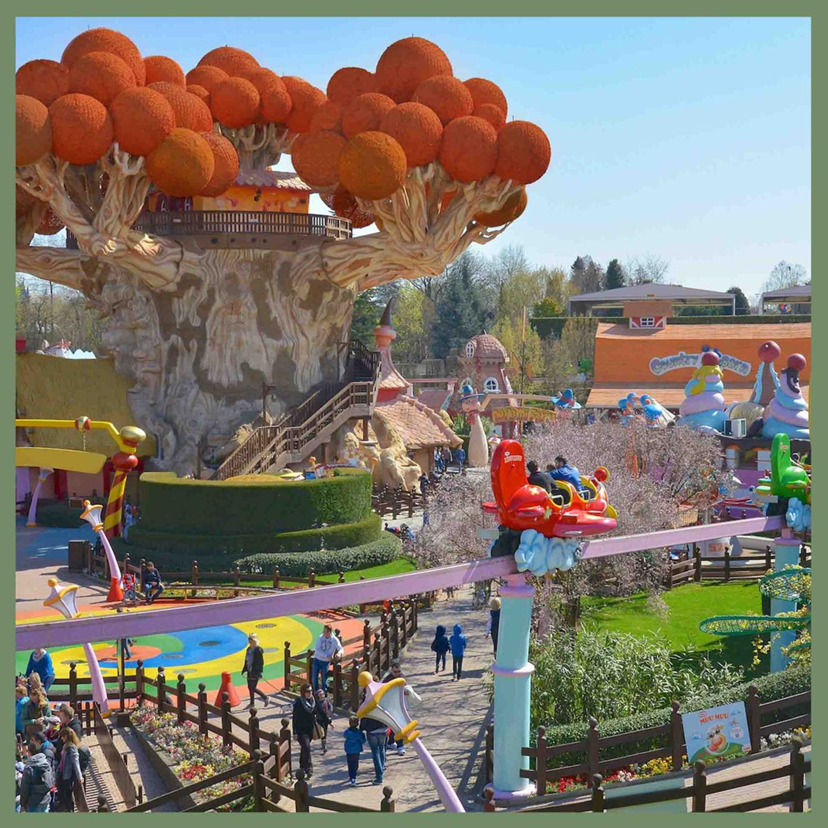
The biggest shift in theme park tourism is the move away from standalone rides toward “Land-Based” storytelling. Travelers aren’t just looking for a two-minute thrill; they want to eat the food, wear the clothes, and interact with the characters of a specific universe.
The “In-World” Experience: At parks like Tokyo DisneySea, the architecture is so detailed that it functions as a destination in itself, drawing “sightseeing” tourists who may never even board a roller coaster.
Interactive Technology: Wearable tech, like Disney’s MagicBand+ or Universal’s Power-Up Bands, allows visitors to trigger digital events in the physical environment, turning the entire park into a giant, playable game.
- THE RISE OF THE THEME PARK RESORT DESTINATION
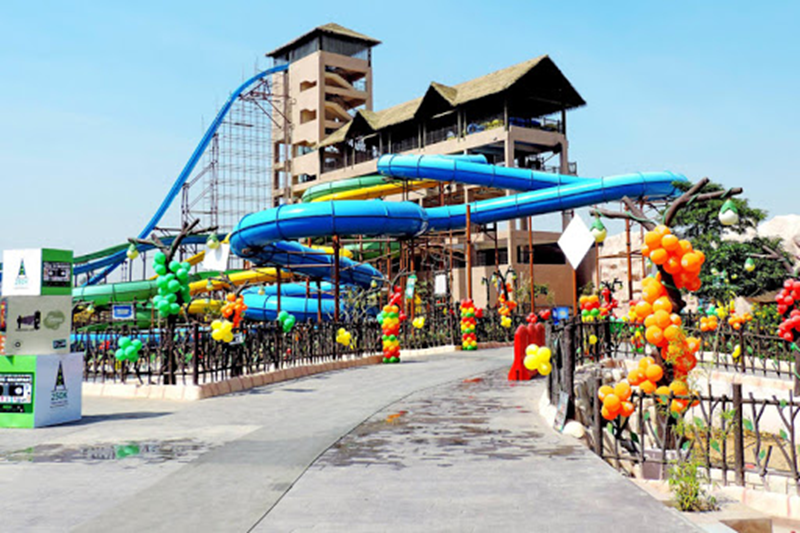
Theme park tourism is no longer a day trip; it is a full-vacation category. Major players have built massive onsite infrastructures to keep guests “within the gates.”
Themed Hospitality: Staying at a hotel like the Star Wars: Galactic Starcruiser (a pioneer in “live-action roleplay” hospitality) or the Loews Portofino Bay at Universal Orlando creates a seamless transition from the park to the pillow.
Luxury Tiering: The “VIP Tour” has become a staple for high-end travelers, offering private guides, “skip-the-line” access, and gourmet dining, proving that theme parks can cater to the luxury market just as well as a Five-Star resort in the Maldives.
- GLOBAL HOTSPOTS- THE NEW FRONTIERS
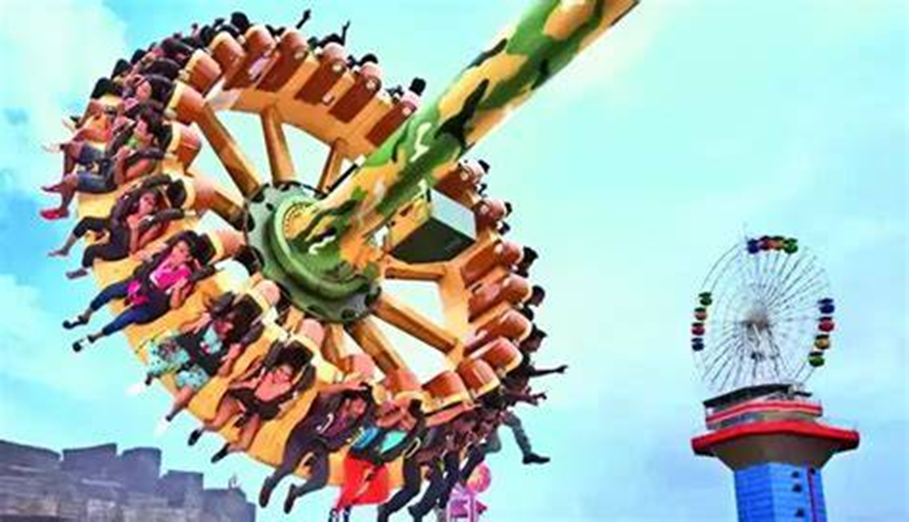
While Orlando and Anaheim remain the “Meccas” of the industry, the map is expanding rapidly:
United Arab Emirates: Yas Island in Abu Dhabi is a powerhouse, home to Ferrari World (the world’s fastest coaster) and Warner Bros. World.
Asia’s Dominance: Universal Studios Beijing and the upcoming expansion of Studio Ghibli Park in Japan are redefining how cultural intellectual property is used in tourism.
- SUSTAINABLE AND SMART TOURISM
As crowds grow, parks are utilizing Big Data to manage flow. Virtual queues and mobile ordering are now standard, reducing the “friction” of travel and allowing guests to spend more time enjoying the atmosphere and less time on the pavement.
By: Adenola Eniola.