



Almost everyone experiences that familiar post-meal discomfort, a heavy, burning sensation that can turn a celebratory dinner into a night of regret. Medically known as dyspepsia, indigestion is not a disease itself but a collection of symptoms indicating your digestive system is struggling to process food as usual.
While often a temporary nuisance, chronic indigestion can impact your daily quality of life, making it essential to understand its triggers and how to soothe the burn.
RECOGNIZING THE SIGNS

Indigestion typically strikes during or shortly after eating. Common symptoms include:
Early Satiety: Feeling uncomfortably full very early in a meal.
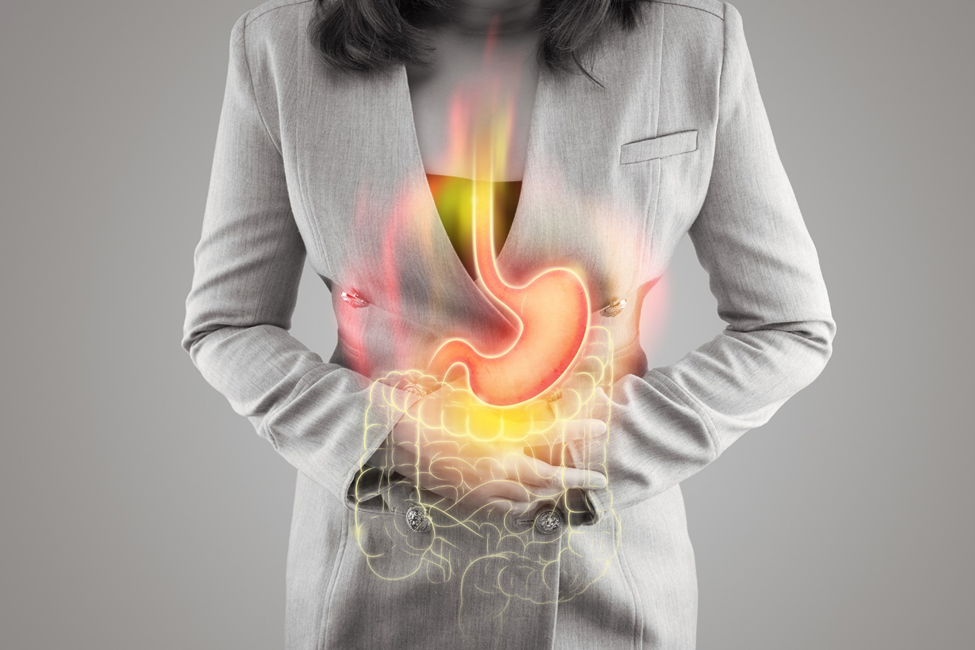
Upper Abdominal Pain: A burning or gnawing sensation between the bottom of your breastbone and your navel.
Bloating and Gas: A feeling of tightness or swelling in the upper belly, often accompanied by belching.
Nausea: Feeling the need to vomit, sometimes accompanied by a bitter or sour taste in the mouth.
WHY IT HAPPENS
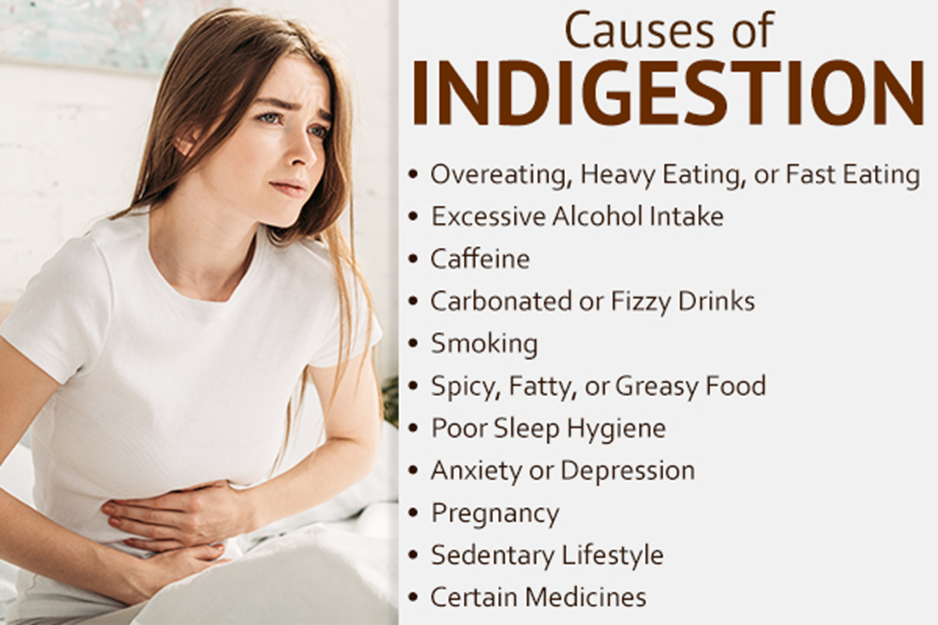
Most cases of indigestion are “functional,” meaning there is no structural disease, but rather a sensitivity or a temporary disruption in digestive rhythm.
Dietary Triggers: Overeating, eating too quickly, or consuming high-fat, greasy, and spicy foods are the most frequent causes.
Beverage Choices: Caffeine, alcohol, and carbonated drinks can irritate the stomach lining or relax the valve that keeps acid in the stomach.
Lifestyle Factors: High stress levels and smoking significantly worsen symptoms.
Medication Side Effects: Non-steroidal anti-inflammatory drugs (NSAIDs) like ibuprofen or aspirin can irritate the stomach lining.
STRATEGIES FOR RELIEF AND PREVENTION
Managing indigestion often starts with small, intentional changes to your daily routine:
Mindful Eating: Opt for five or six small meals throughout the day rather than three large ones to avoid overloading your stomach.
Post-Meal Habits: Avoid lying down for at least two to three hours after eating. If you suffer from nighttime symptoms, propping your head up with extra pillows can help prevent acid from creeping back up.
Identify Triggers: Use the Bupa Food and Symptoms Diary to track which specific ingredients cause flare-ups.
Natural Soothers: Ginger and peppermint tea (if you don’t have acid reflux) can help calm the digestive tract.
FRUITS FOR INDIGESTION
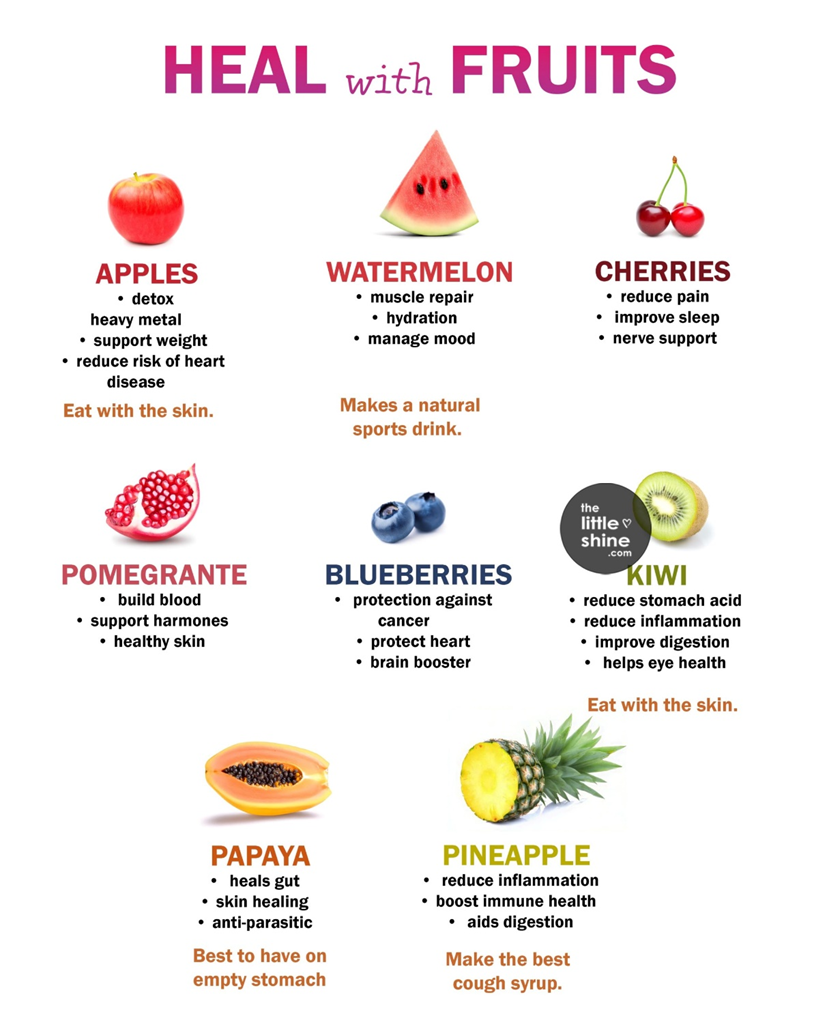
Look for fruits with high water content or a high pH (alkaline) to dilute and buffer stomach acid.
Bananas: Naturally alkaline and low in acid, they can help coat an irritated esophageal lining and act as a natural antacid.
Melons: Watermelon, cantaloupe, and honeydew are high in water and low in acid, helping to dilute stomach acid.
Papaya: Contains the enzyme papain, which helps break down proteins and may reduce bloating and constipation.
Apples and Pears: Non-citrus options that are rich in fiber (pectin), which helps regulate bowel movements and prevent overeating.
Pineapple: High in bromelain, an enzyme that assists in protein digestion and reduces post-meal bloating.