


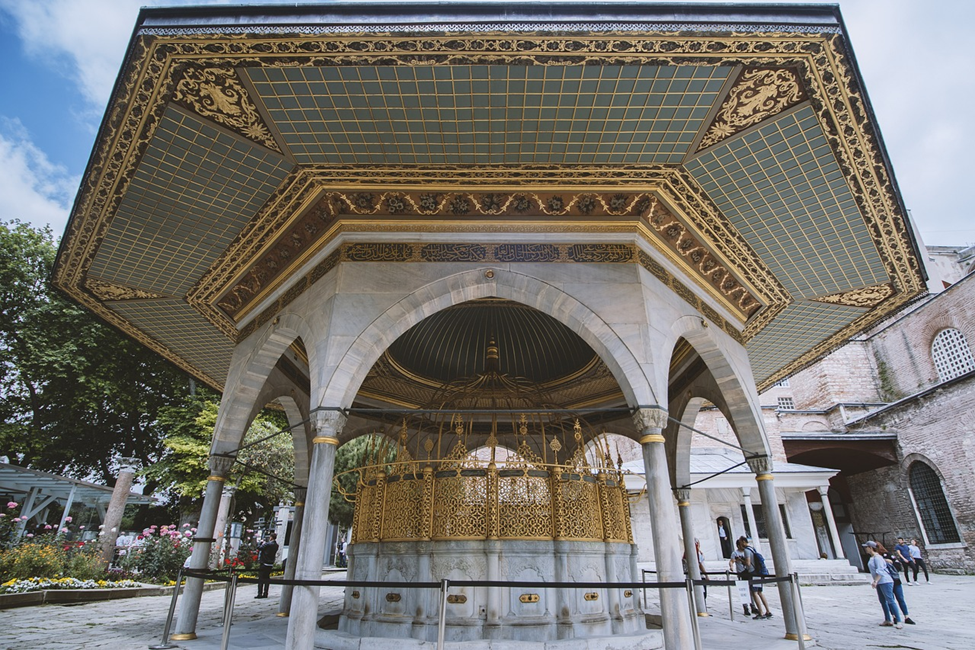
For most travelers, a city’s skyline is merely a backdrop for photos. But for the architectural tourist, a city is a living library. Every flying buttress, glass skyscraper, and cobblestone alleyway is a chapter in a story about human ambition, cultural identity, and the technology of an era.
Architecture tourism is the act of traveling specifically to appreciate the design and construction of buildings, is one of the fastest-growing niches in the travel industry. It is a way to see the world not just as a collection of sights, but as a series of built experiences.
WHY WE TRAVEL FOR BUILDINGS
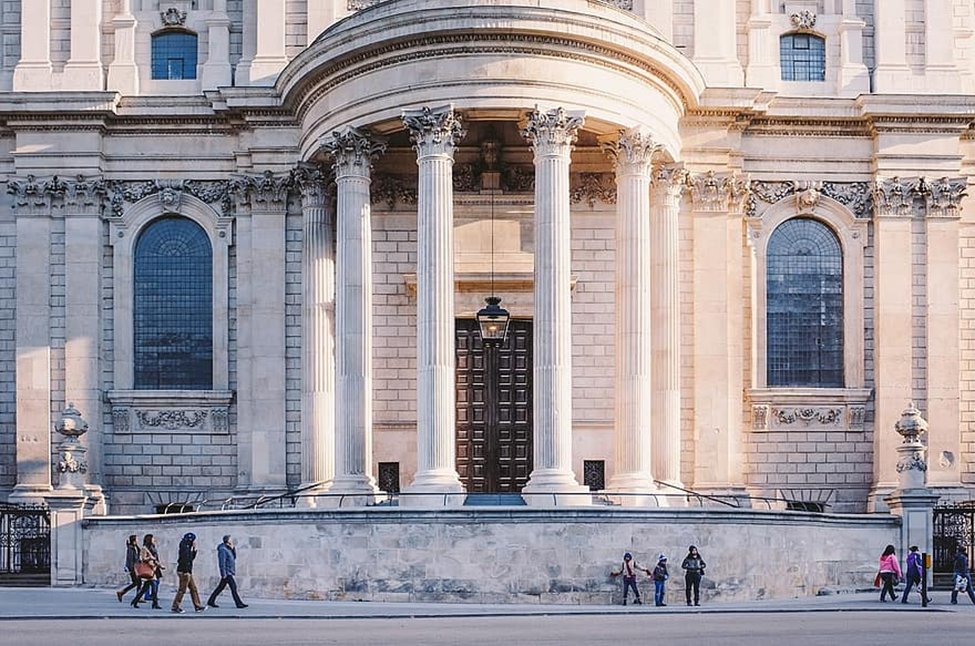
Buildings are the most permanent expressions of a culture’s values. When we visit the Parthenon in Athens, we aren’t just looking at marble; we are looking at the birth of democracy and the pursuit of mathematical perfection. When we stand beneath the shimmering scales of the Guggenheim Museum Bilbao, we are witnessing how a single structure can revitalize an entire city’s economy, a phenomenon now known as the “Bilbao Effect.”
Architecture offers a tangible connection to the past and a daring glimpse into the future. It is art that you can walk inside of.
HOW TO PRACTICE “SLOW ARCHITECTURE” TRAVEL
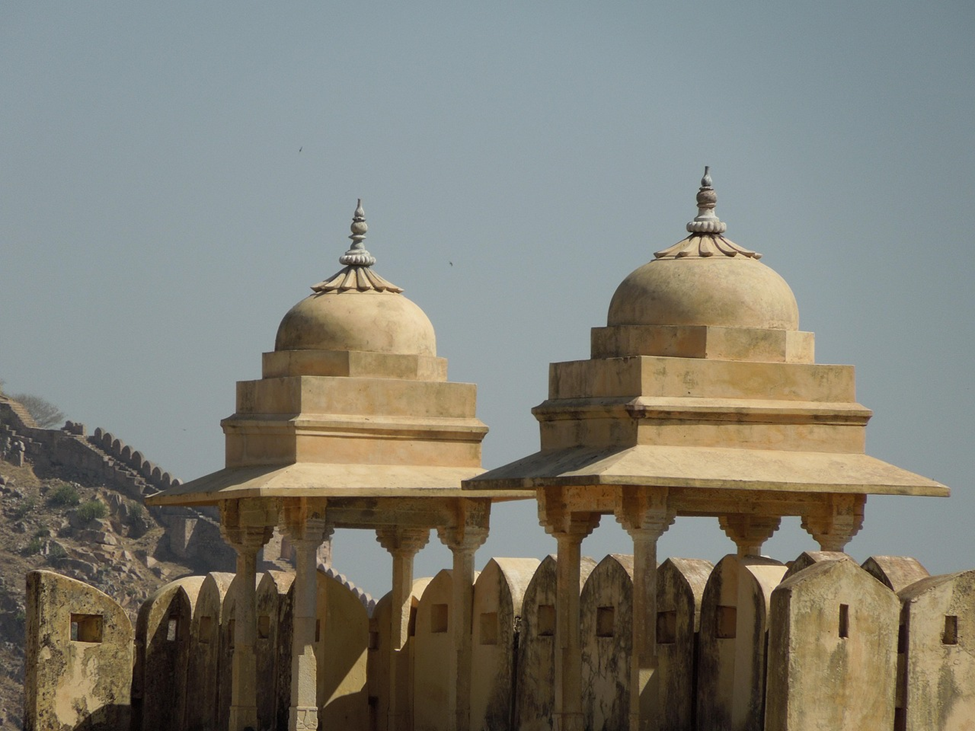
To truly appreciate a destination’s design, you have to look beyond the “Instagrammable” facade. Here is how to deepen your journey:
Follow the Light: Visit iconic buildings at different times of day. A Gothic cathedral’s stained glass at noon is a completely different experience than its silhouette at dusk.
The “Ground-Up” Approach: Look at the materials. Is the city built of local limestone, red brick, or imported steel? This tells you about the trade routes and geology of the region.
Go Inside: Many architectural icons are private or functional. Seek out open-house weekends or book tours of heritage homes to see how the interiors complement the exterior.
The Adaptive Reuse Movement: Keep an eye out for old factories turned into museums (like London’s Tate Modern) or train stations turned into hotels. These buildings show how cities evolve without erasing their history.
THE FUTURE: SUSTAINABLE & GREEN DESIGN
The new frontier of architecture tourism isn’t just about height or ornament; it’s about sustainability. Travelers are now flocking to see “Vertical Forests” like the Bosco Verticale in Milan or the biophilic wonders of Singapore’s Jewel Changi Airport. These structures represent our current era’s greatest challenge: harmonizing the concrete jungle with the natural world.