



In the modern marketplace, we are taught to chase “The Three Ps”: Pay, Promotion, and Prestige. Yet, thousands of professionals reach the summit of their respective ladders only to find themselves profoundly exhausted and unfulfilled. The missing metric? Career Values Alignment.
Your career values are the non-negotiable principles that dictate how you work best and what makes your labor feel meaningful. When your daily tasks clash with these internal drivers, the result is “moral injury” or burnout. When they align, work stops feeling like a marathon and start feeling like a mission.
- IDENTIFYING YOUR CORE DRIVERS
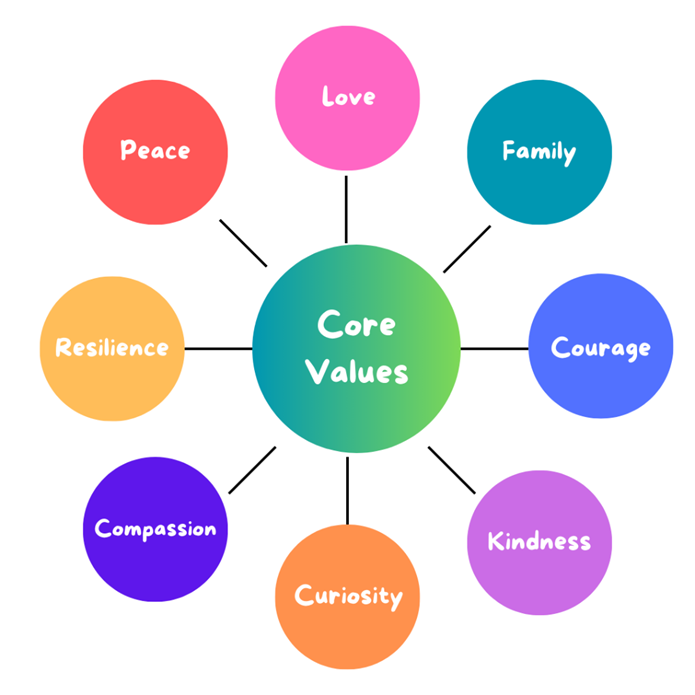
Values aren’t just buzzwords; they are the “operating system” of your professional life. Most values fall into three distinct categories:
Intrinsic Values: What motivates you internally (e.g., helping others, intellectual challenge, creative expression).
Extrinsic Values: The tangible outcomes of your work (e.g., high income, job security, influence).
Lifestyle Values: How your work fits into your world (e.g., remote flexibility, travel, work-life balance).
- THE “ALIGNMENT GAP” TEST
To see where you stand, perform a quick audit. List your top five values, then rate your current role on a scale of 1–10 for each.
The Sweet Spot: A score of 8–10 across most values. You are likely in a high-engagement phase.
The Danger Zone: Any score below 4. If you value Autonomy but are being micromanaged, or you value Sustainability but work for a high-waste firm, the friction will eventually lead to a “quiet quitting” mindset.
- HOW TO INTERVIEW FOR ALIGNMENT

Alignment is a two-way street. During your next interview, look past the salary and benefits to probe the company’s actual culture. Use the Starman Career Values Map to help frame your questions:
Don’t ask: “Is the culture good?”
Do ask: “Can you give me an example of how the team handles a conflict in priorities?” or “How is individual contribution recognized here?”
- THE “PIVOT” STRATEGY
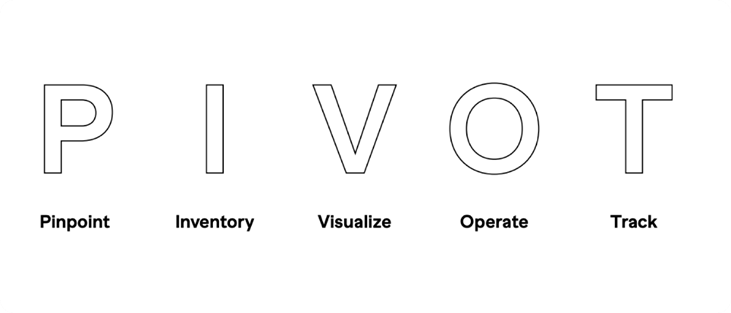
If you find you are misaligned, you don’t always need to quit. Sometimes, a “Job Crafting” approach works:
Task Crafting: Volunteer for projects that hit your high-value marks (e.g., mentoring if you value Contribution).
Relational Crafting: Shift who you spend time with at work to find a sub-culture that mirrors your principles.
By: Adenola Eniola.