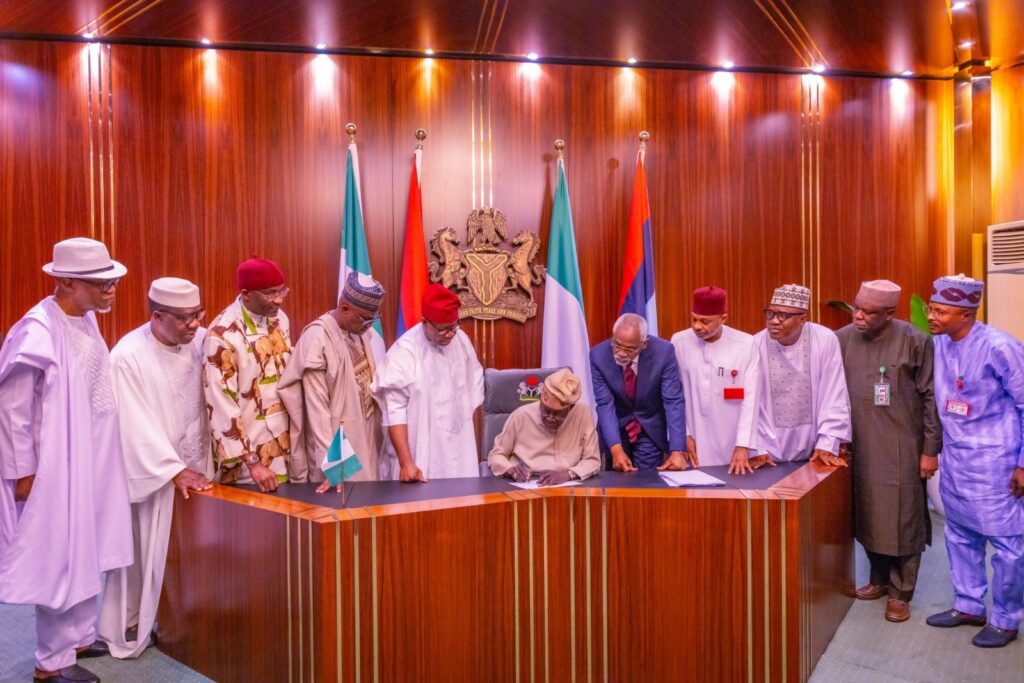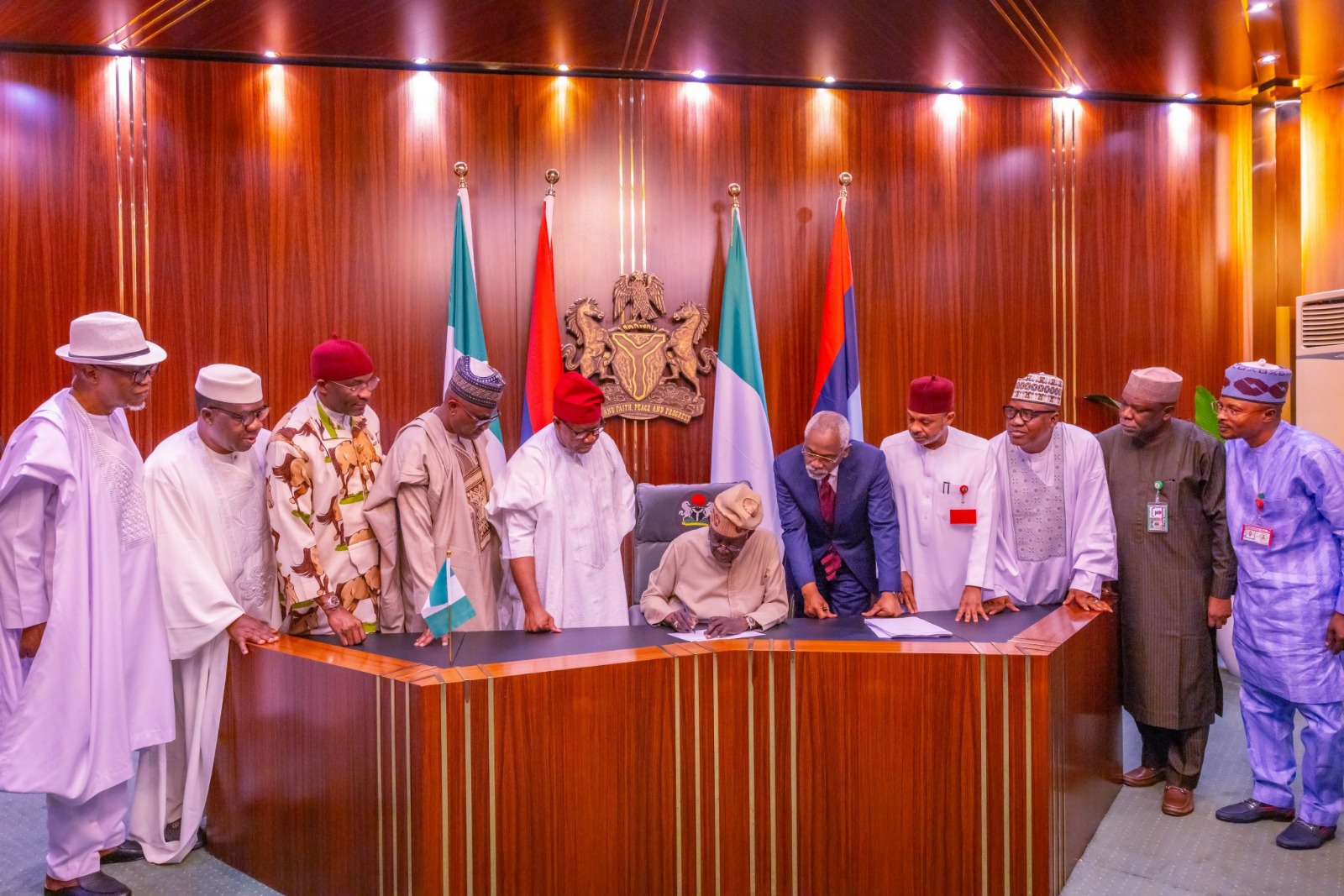
On February 18, 2026, President Bola Ahmed Tinubu signed amendments to the Electoral Act, making real-time electronic transmission of polling results optional rather than mandatory, just a day after the National Assembly passed it.
Tinubu in a post on X wrote: “After every election cycle, we owe Nigerians an honest look at what worked and what must work better. That is how serious democracies behave, and our laws must grow with experience.
“Today, I signed the final amendments to the 2022 Electoral Act into law.
“These amendments are not about politics. They are about process. They are about closing gaps, strengthening procedures, and providing greater clarity to those who conduct and participate in our elections.
“When citizens walk into a polling unit, they must do so with confidence. When results are declared, they must be trusted. That confidence is built deliberately, and not by chance.
“I sincerely thank the National Assembly for its cooperation and sense of national responsibility in bringing this process to a successful conclusion. Our responsibility remains to keep improving the system so that the people’s will is expressed clearly, peacefully, and credibly.
“The work of strengthening our democracy continues, and we shall not relent.”
Tensions peaked with opposition lawmakers walking out while shouting insults, and police dispersing demonstrators in Abuja who sought stronger safeguards for the 2027 elections.
Tinubu praised the changes for addressing network issues and hacking risks, while activist like Omoyele Sowore criticized the bill called it a blow to democracy, described it as ‘a law designed to undermine and ultimately forbid free, fair, and credible elections in Nigeria.
“We must resist this assault on democracy. They have dared the people.
“Now we must confront them, WE must damn their impunity.”