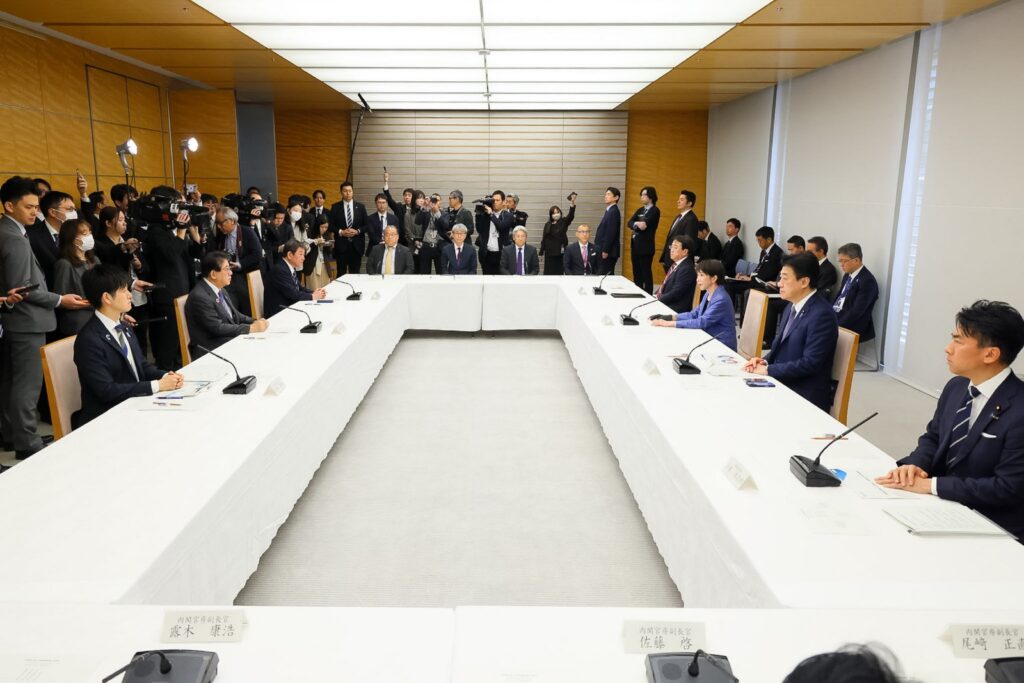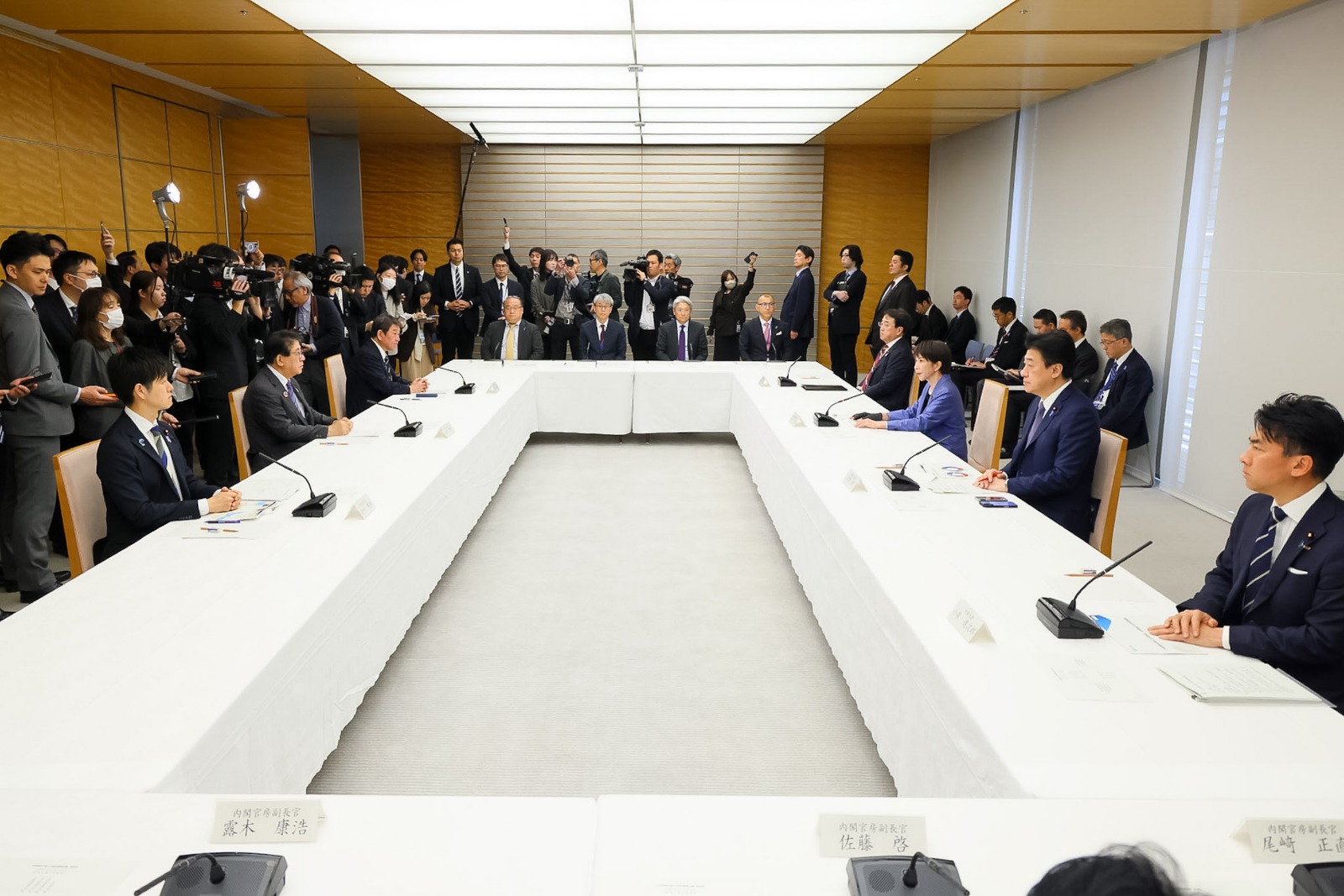
P.M Sanae: “Maintaining peace and stability in the Middle East region, including ensuring the safety of navigation in the Strait of Hormuz, is of utmost importance to the international community, including Japan, from the perspective of stable energy supply as well.
“With regard to achieving an early de-escalation of the situation, we intend to continue seizing various opportunities to closely communicate with relevant countries at various levels and to make every necessary diplomatic effort.
“In last week’s summit meeting with President Trump as well, regarding the ongoing tense situation in Iran, we confirmed the importance of de-escalating the situation as quickly as possible and ensuring the safety of navigation in the Strait of Hormuz and stable energy supply.
In particular, with respect to stable supply of crude oil: -we confirmed that Japan and the United States will work together on expanding production of U.S.-produced crude oil, and
・I conveyed our desire to realize a joint project to stockpile crude oil procured from the United States.
“From the perspective of protecting Japanese nationals, to date, in addition to land evacuations from Iran and Israel to neighboring countries, we have operated a total of six government-chartered flights from Gulf countries to Japan, supporting the departure of all 1,160 hopeful Japanese nationals and others.
“Additionally, of the Japanese nationals detained by Iranian authorities, one has, with the support of the Embassy of Japan in Iran, departed Iran on the 20th of this month and returned to Japan on the 22nd.
“I have requested relevant ministers to continue addressing the matter with a sense of tension and urgency, aiming for an early de-escalation of the situation and working toward peace and stability in the Middle East region, including energy security.
“Furthermore, regarding the impact of the Middle East situation on the domestic economy, to ensure that there is no disruption whatsoever in the supply of petroleum products such as gasoline, starting March 16, we will begin releasing private stockpiles to secure the “amount required for Japan as a whole,” and from this week on the 26th, we will begin releasing national stockpiles. Additionally, for joint stockpiles with oil-producing countries, releases are scheduled to begin in March.
“At the same time, starting March 19, we have initiated subsidies to curb prices of petroleum products such as gasoline, diesel, heavy fuel oil, and kerosene. Through these measures, we will respond with all our might to minimize the impact on economic activities.
“Incidentally, with respect to electricity and gas rates, it is generally the case that they are determined based on fuel import prices from 2 to 4 months prior, and we understand that rates will not rise immediately.
“In addition, for petroleum-related products that are not energy sources, such as naphtha, led by the Minister of Economy, Trade and Industry, from the perspective of protecting the lives and livelihoods of the people, we will compile response policies taking into account the “global supply situation,” “domestic inventory levels,” and other factors for the entire supply chain, including not only industrial uses but also those related to agriculture, healthcare, and more, and report them to this ministerial meeting.”