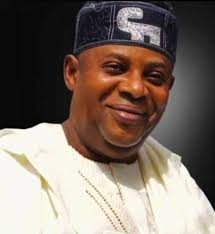
The political landscape in Kogi State is gradually heating up ahead of the 2027 gubernatorial race, and emerging indicators suggest that the contest may carry broader implications beyond the state itself. In particular, the strategic moves of Honourable James Faleke long seen as a strong political ally of President Bola Ahmed Tinubu are attracting significant interest from analysts, political observers and community stakeholders.
A State Defined by Complex Demographics
Kogi State remains one of Nigeria’s most politically complex territories, defined by its ethnic diversity, religious configuration and long-standing patterns of regional power competition. The Igala, who dominate the eastern part of the state, constitute the largest ethnic group and are predominantly Muslim. The Ebira, concentrated in the Central Senatorial District, also has a significant Muslim population. Together, these blocs represent a substantial portion of the state’s political weight.
Any attempt to shape the 2027 political direction without acknowledging these demographic realities is likely to generate tension or at the very least, intense debate.
The Faleke Factor
Honourable James Faleke has, over the years, maintained a strong political presence at the national level. His association with President Tinubu, dating back to their days in Lagos politics, has often placed him in the spotlight particularly in conversations about potential leadership roles in Kogi State.
Yet, questions persist :
Can Faleke command broad support across the major ethnic and religious communities in Kogi?
Will the Muslim-majority areas interpret his potential candidacy as inclusive or as an imposition from outside their traditional political structures?
And importantly, what would Faleke’s emergence mean for the state’s delicate political balance?
These questions continue to define the ongoing debates, particularly among political elites and grassroots networks in the state.
Tinubu’s Broader Northern Politics
For President Bola Ahmed Tinubu, the political situation in Kogi State may present another test in his evolving relationship with the Muslim North. While Tinubu maintains key alliances in various northern states, public perception and political calculations often shift dramatically during election cycles.
If Faleke is perceived rightly or wrongly as a preferred candidate of the Villa, the dynamics could trigger resistance among some Northern political actors who are sensitive to issues of representation, equity and internal democracy. Conversely, a well-managed process could strengthen Tinubu’s credibility as a leader who respects regional political autonomy.
2027: A Defining Moment
As 2027 approaches, Kogi State is shaping up to be a battleground that will reveal several things at once:
The future of Tinubu’s political influence in the North
The evolving power dynamics between ethnic and religious blocs within Kogi
The strength or limitations of Faleke’s grassroots appeal
The changing expectations of voters who increasingly demand fairness, competence and representation
Political observers across the country are watching closely, aware that the outcome in Kogi may echo far beyond the state’s borders.
Conclusion
The contest ahead is not merely about who becomes governor. It is about identity, fairness, political strategy, and the delicate balance required to govern a diverse state. Whether Faleke enters the race or whether another candidate emerges to redefine the political equation, one thing is clear: the 2027 gubernatorial elections in Kogi State will be one of the most closely watched political events in Nigeria.
As the stage is quietly being set, the nation waits attentively, cautiously and with heightened interest to see what shape the unfolding drama will take.
Written by Mal Abdulkarim Muhammad Abdullahi