


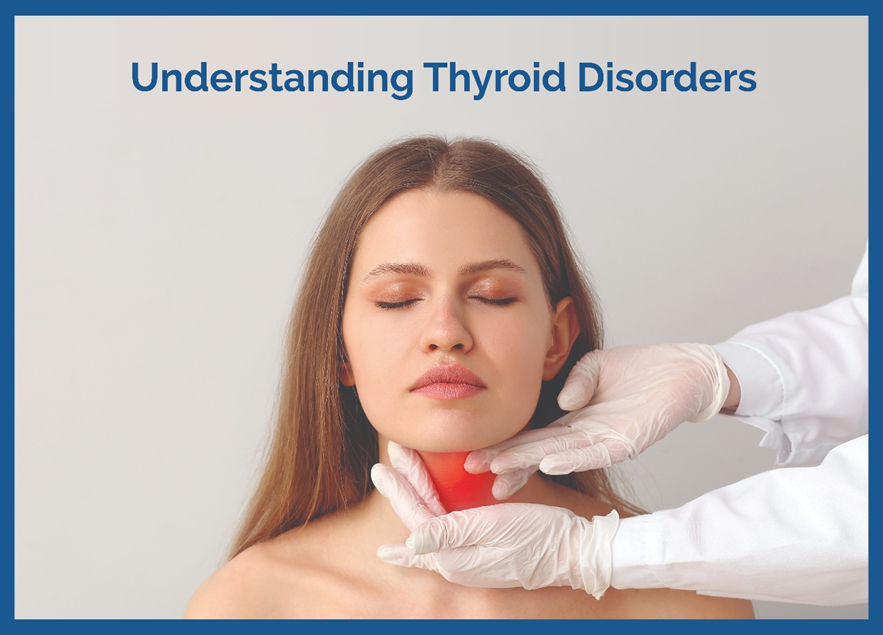
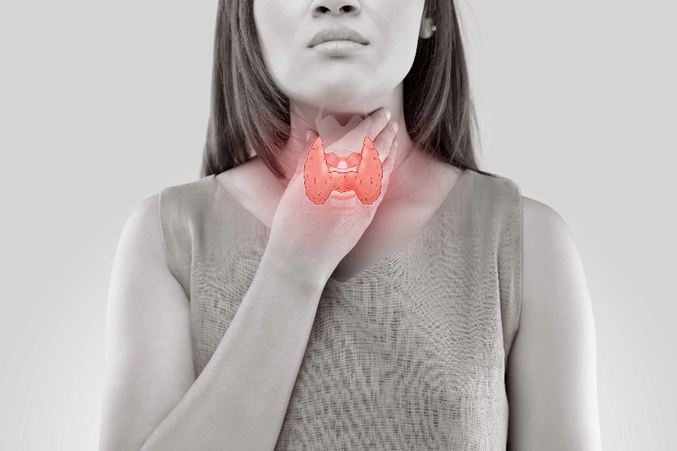
The thyroid is a small, butterfly-shaped gland located at the base of the neck. Despite its size, it plays a powerful role in regulating the body’s metabolism, energy levels, heart rate, and even mood. When the thyroid malfunctions, it can lead to a range of disorders, most commonly hypothyroidism (underactive thyroid) and hyperthyroidism (overactive thyroid).
TYPES OF THYROID DISORDERS
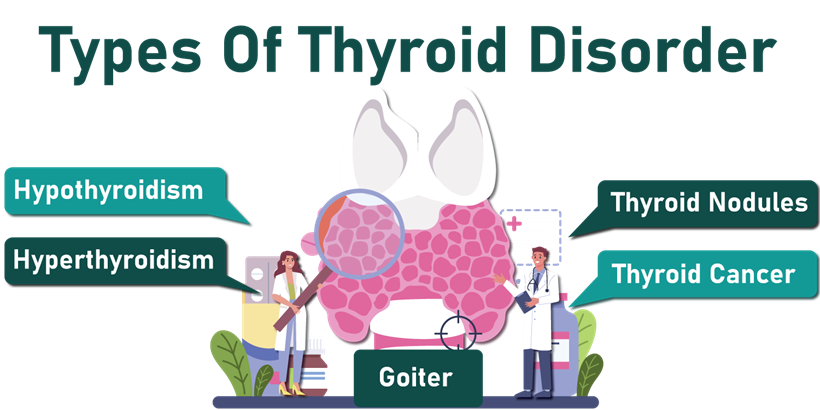
1. HYPOTHYROIDISM – This occurs when the thyroid doesn’t produce enough hormones. Symptoms include fatigue, weight gain, cold intolerance, depression, dry skin, and slowed heart rate.
2. HYPERTHYROIDISM – This is the result of excessive thyroid hormone production. It often causes weight loss, rapid heartbeat, nervousness, sweating, and insomnia.
3. GOITER – An abnormal enlargement of the thyroid gland, often due to iodine deficiency or autoimmune conditions.
4. THYROID NODULES – Lumps that form within the thyroid, which may be benign or cancerous.
5. THYROID CANCER – Although less common, it can occur and is often treatable when detected early.
CAUSES AND RISK FACTORS
– Autoimmune diseases (like Hashimoto’s or Graves’ disease)
– Iodine deficiency
– Genetics
– Radiation exposure
– Certain medications
DIAGNOSIS AND TREATMENT
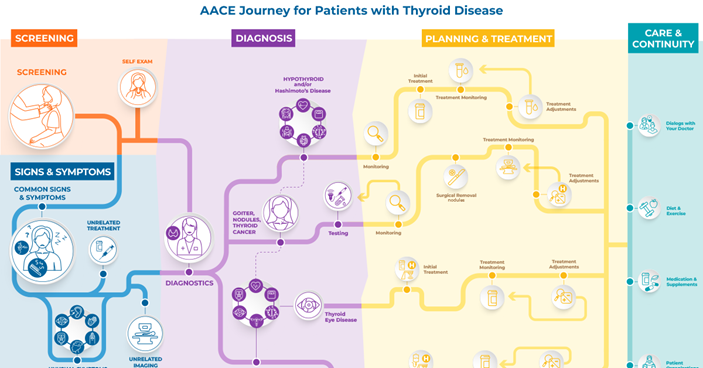
Thyroid disorders are typically diagnosed through blood tests that measure levels of TSH (thyroid-stimulating hormone) and thyroid hormones (T3, T4). Imaging tests like ultrasound or radioactive iodine scans may also be used.
TREATMENT DEPENDS ON THE SPECIFIC DISORDER:
– HYPOTHYROIDISM: Treated with daily thyroid hormone replacement (levothyroxine).
– HYPERTHYROIDISM: Options include antithyroid medications, radioactive iodine therapy, or surgery.
– NODULES AND CANCER: May require surgery or radioactive treatment.
LIVING WITH THYROID DISORDERS
With proper diagnosis and treatment, most people with thyroid conditions can lead healthy, active lives. Regular monitoring and communication with a healthcare provider are key to managing symptoms and maintaining hormone balance.
Thyroid health is essential to overall well-being. If you’re experiencing unexplained fatigue, mood changes, or weight fluctuations, don’t overlook your thyroid. Early detection can make all the difference.
By: Adenola Eniola.