


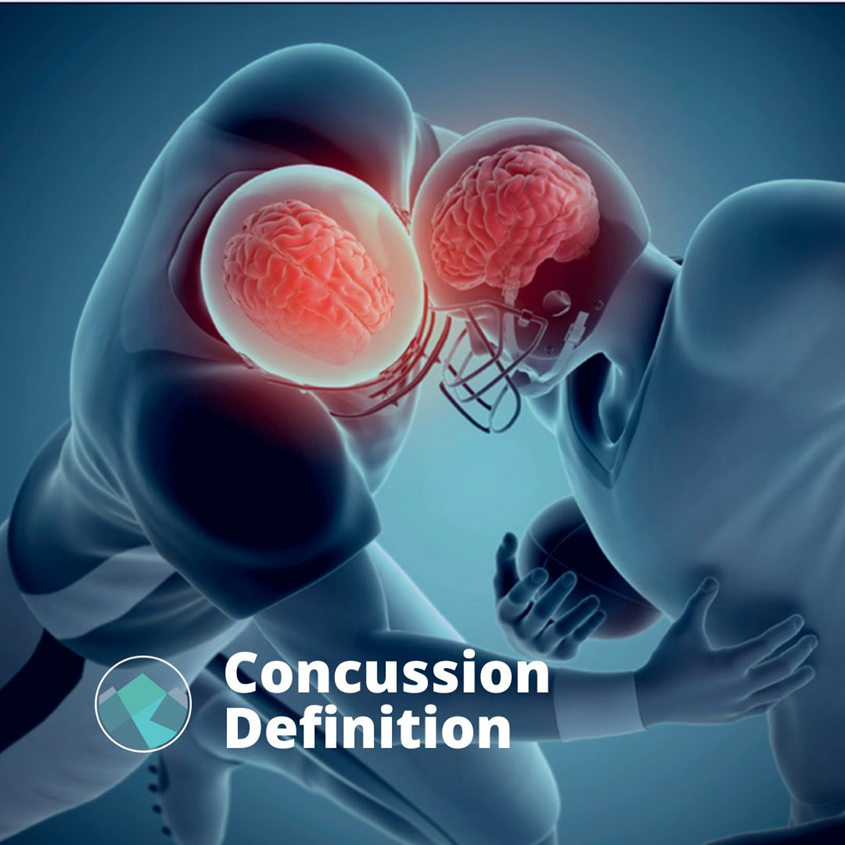
A concussion is a mild traumatic brain injury (TBI) caused by a sudden blow or jolt to the head, neck, or upper body that causes the brain to move rapidly within the skull. While often categorized as “mild,” concussions can have serious and lasting effects if not properly managed. Common causes include falls, sports injuries, motor vehicle accidents, or physical assaults.
SYMPTOMS
Symptoms may appear immediately or develop over hours or days. These can include

- Headache
- Confusion
- Dizziness
- Nausea
- Blurred vision
- Sensitivity to light or noise
- Temporary memory loss.
Emotional changes, sleep disturbances, and concentration difficulties are also common in the aftermath.
Diagnosis is usually based on symptom evaluation, neurological exams, and sometimes imaging like CT or MRI to rule out more serious brain injury. Rest is crucial in the early stages, followed by a gradual return to physical and mental activity under medical supervision.

Repeated concussions can lead to long-term complications, such as chronic traumatic encephalopathy (CTE), especially in athletes. Therefore, prevention strategies including wearing helmets, proper training techniques, and awareness of signs are essential.
In conclusion, a concussion should never be ignored. Prompt attention and care ensure proper healing and reduce the risk of complications.
By: Adenola Eniola.