


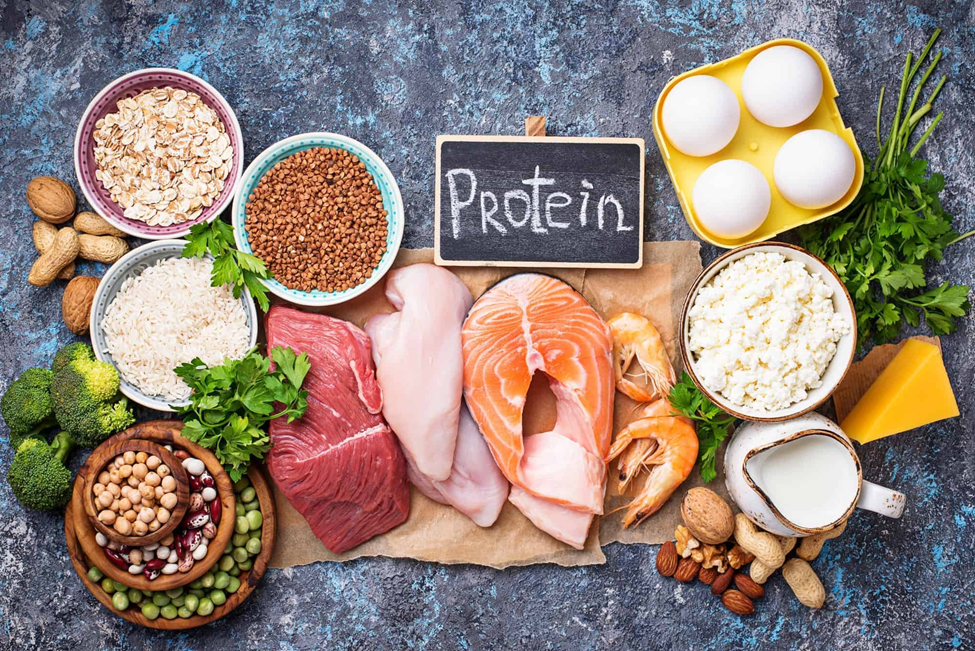
Dietary proteins are essential nutrients that play a crucial role in maintaining overall health and bodily functions. As a health writer, it’s important to emphasize how vital protein is in our diets, not just for bodybuilders or athletes, but for everyone.
Proteins are made up of amino acids, often referred to as the building blocks of life. These amino acids are responsible for repairing tissues, building muscles, producing enzymes and hormones, and supporting immune function. There are 20 amino acids in total, nine of which are essential, meaning the body cannot produce them and must obtain them through food.
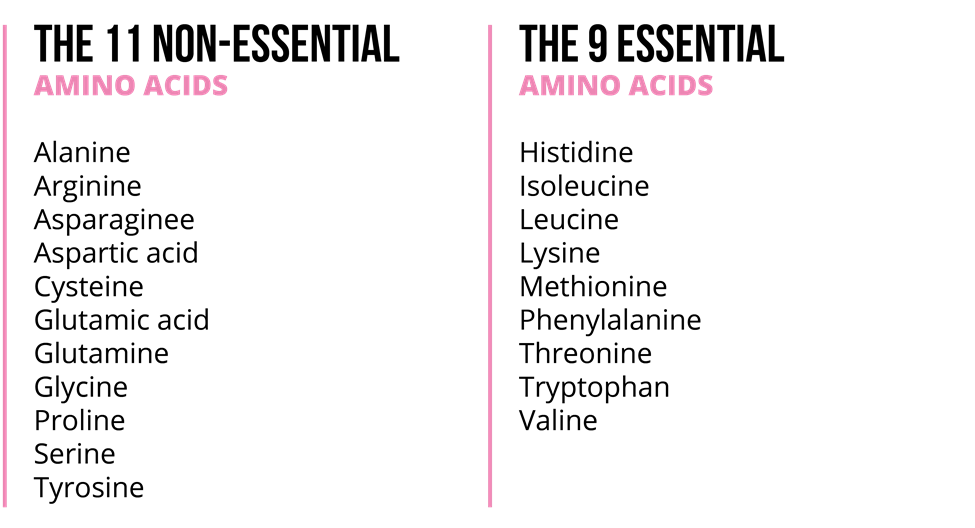
Protein sources can be classified as complete or incomplete. Complete proteins, found in animal products like meat, eggs, dairy, and fish, contain all nine essential amino acids. Incomplete proteins, typically from plant sources like legumes, grains, nuts, and vegetables, may lack one or more essential amino acids, but when combined (e.g., rice and beans), they can provide a complete profile.
Daily protein needs vary depending on age, gender, activity level, and health goals, but generally, adults need about 0.8 grams of protein per kilogram of body weight. For those looking to build muscle, recover from illness, or manage chronic conditions, protein intake may need to be higher.
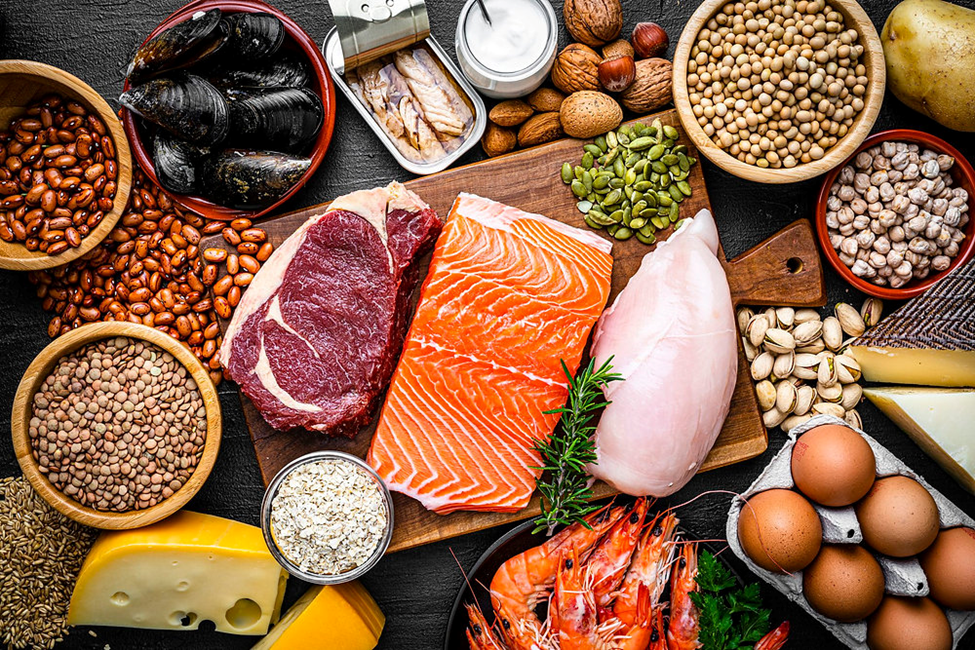
A balanced diet with lean meats, fish, eggs, legumes, dairy, soy, and nuts ensures adequate protein. It’s also important to avoid excessive intake, which can strain the kidneys and lead to imbalances.
In summary, dietary proteins are fundamental to good health. By making mindful, nutritious choices, we can support muscle health, boost metabolism, and promote overall well-being.
By: Adenola Eniola.