


In our daily lives, especially in healthcare, food preparation, and home environments, maintaining hygiene is essential. As a health writer, it’s important to highlight the distinctions between cleaning, sanitizing, and disinfecting, and why each step matters for preventing illness and promoting well-being.
CLEANING – THE FIRST LINE OF DEFENSE
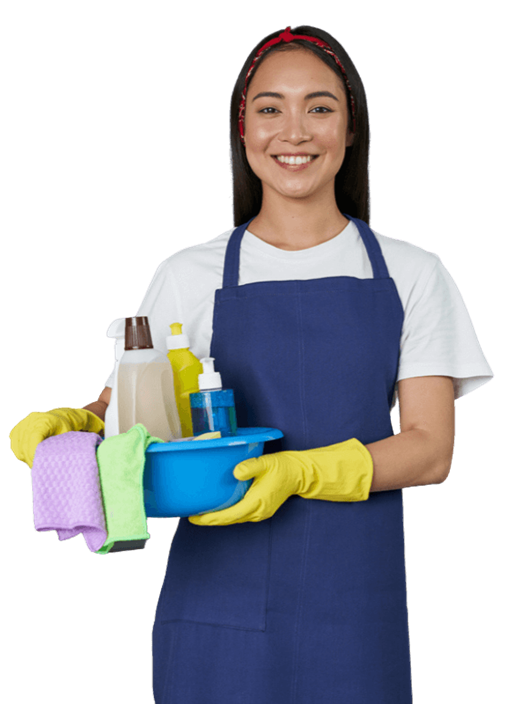
Cleaning refers to the physical removal of dirt, dust, crumbs, and germs from surfaces. It doesn’t necessarily kill bacteria or viruses but reduces their number by removing them. It’s typically done using soap or detergent with water. For example, wiping a countertop with soapy water removes visible grime and some germs.
- SANITIZING – LOWERING GERMS TO SAFE LEVELS

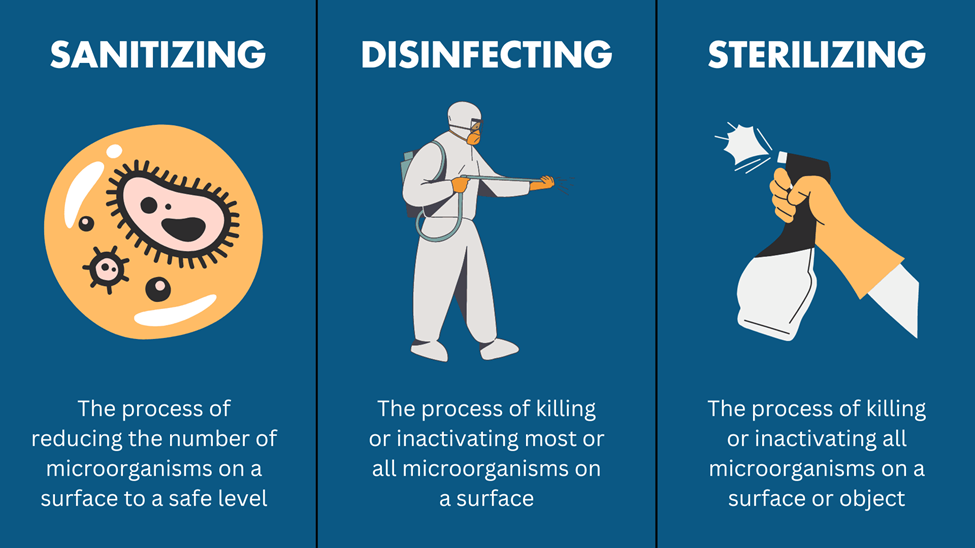
Sanitizing goes a step further. It reduces the number of germs on surfaces to safe levels determined by public health standards. This is especially important in food preparation areas, childcare settings, and everyday household touchpoints. Sanitizers can be used after cleaning to help reduce the chance of infection.
DISINFECTING – KILLING GERMS ON SURFACES
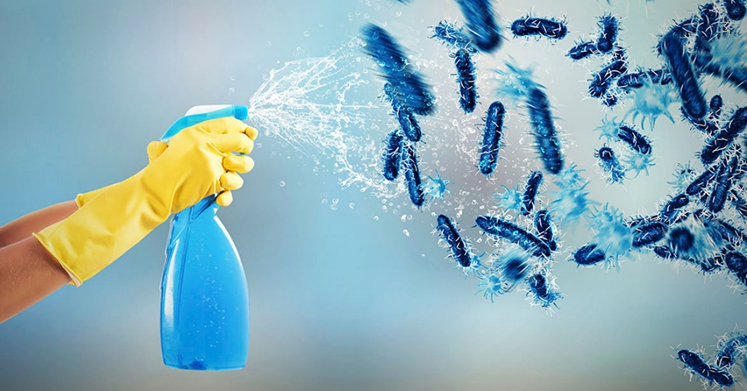
Disinfecting uses chemicals to kill germs on surfaces. It’s most effective after cleaning and is essential in areas exposed to bodily fluids, high-touch surfaces (like doorknobs and phones), and during outbreaks. Disinfectants are stronger than sanitizers and must be used correctly, following label instructions for contact time, to be effective.
Proper hygiene involves a layered approach, clean first, sanitize where needed, and disinfect when necessary. Understanding and applying these methods can help reduce the spread of infections, especially in homes, hospitals, schools, and workplaces. Clean spaces mean healthier lives.

By: Adenola Eniola.