


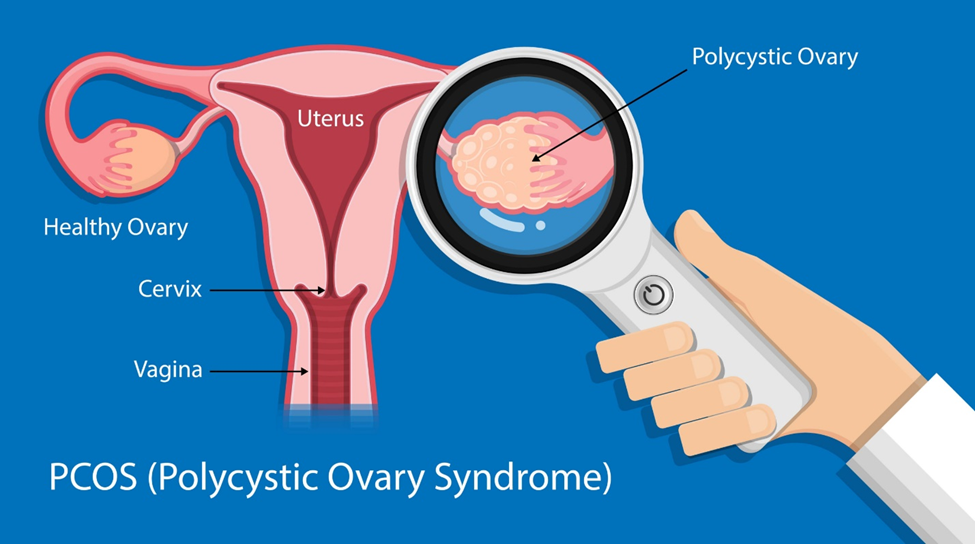
Polycystic Ovary Syndrome (PCOS) is one of the most common hormonal disorders affecting women of reproductive age. It impacts how the ovaries function and can influence fertility, metabolism, appearance, and overall health. Despite its prevalence, many women remain undiagnosed or unaware of how PCOS affects their bodies. Early understanding and proper management can significantly improve quality of life and long-term health outcomes.
WHAT IS PCOS?
PCOS is a condition characterized by hormonal imbalance, particularly elevated levels of androgens (male hormones) in women. This imbalance interferes with ovulation, causing irregular or absent menstrual cycles. The term “polycystic” refers to the presence of many small fluid-filled sacs (follicles) in the ovaries, although not every woman with PCOS has ovarian cysts.
PCOS is a chronic condition, meaning it has no permanent cure, but it can be effectively managed through lifestyle changes and medical treatment.
COMMON SYMPTOMS OF PCOS
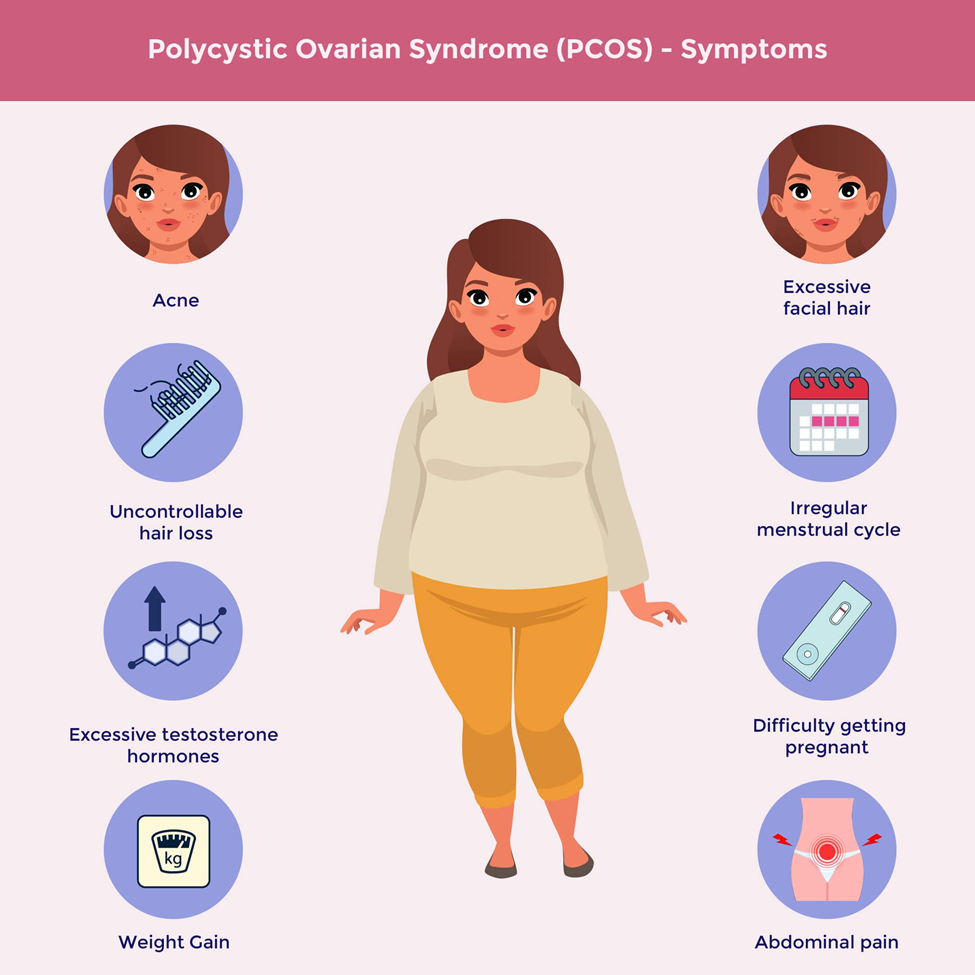
Symptoms can vary widely from person to person. Some women experience mild symptoms, while others face more serious challenges. Common signs include:
– Irregular or missed periods
– Difficulty getting pregnant (infertility)
– Excess facial or body hair (hirsutism)
– Acne or oily skin
– Weight gain or difficulty losing weight
– Thinning hair or hair loss on the scalp
– Dark patches of skin (acanthosis nigricans)
– Fatigue and mood changes
Because symptoms often overlap with other conditions, PCOS may go undiagnosed for years.
WHAT CAUSES PCOS?
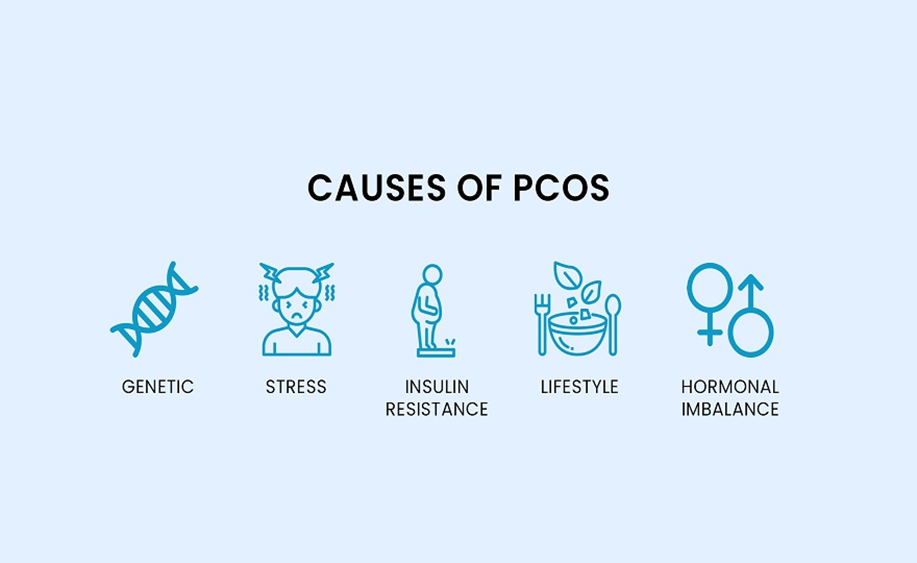
The exact cause of PCOS is not fully understood, but several factors play a role:
– Hormonal imbalance: Higher levels of androgens disrupt ovulation.
– Insulin resistance: Many women with PCOS have difficulty using insulin effectively, leading to higher blood sugar levels and increased fat storage.
– Genetics: PCOS tends to run in families.
– Low-grade inflammation: Chronic inflammation may stimulate androgen production.
These factors interact differently in each individual, making PCOS a complex condition.
HOW PCOS IS DIAGNOSED
Doctors diagnose PCOS using a combination of:
* Medical history and symptom review
* Physical examination
* Blood tests to measure hormone levels
* Pelvic ultrasound to examine the ovaries
A diagnosis is usually made when at least two of the following are present: irregular ovulation, high androgen levels, and polycystic ovaries.
LIFESTYLE CHANGES
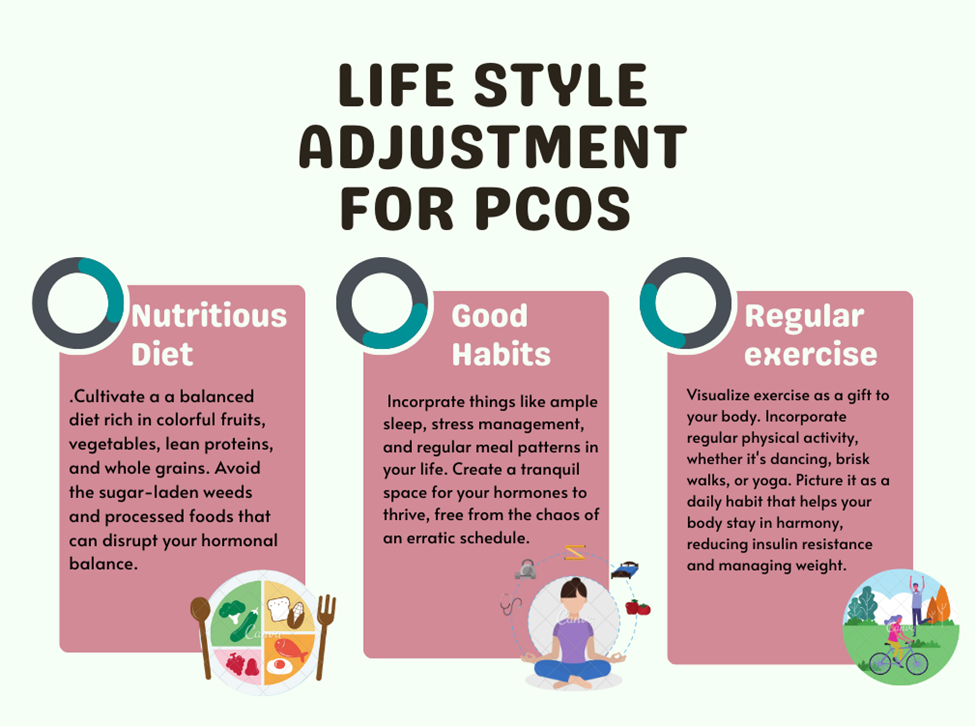
– Healthy eating: Balanced meals with whole grains, lean proteins, healthy fats, and fiber help regulate blood sugar.
– Regular exercise: Improves insulin sensitivity and supports weight management.
– Stress management: Yoga, meditation, and adequate sleep help balance hormones.
MEDICAL TREATMENT
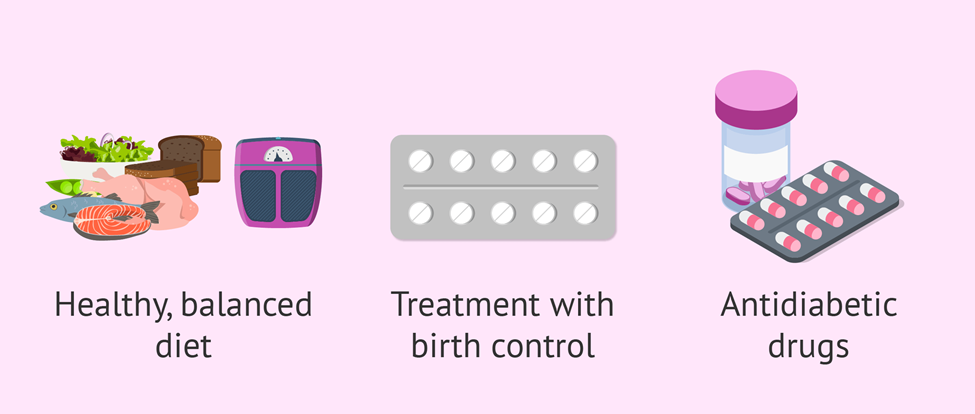
– Hormonal birth control: Regulates menstrual cycles and reduces acne and excess hair.
– Metformin: Improves insulin resistance and helps regulate periods.
– Fertility treatments: Help stimulate ovulation when pregnancy is desired.
– Skin and hair treatments: Address cosmetic concerns.
Treatment plans should always be guided by a healthcare professional.
PCOS is a common but manageable condition. With proper awareness, lifestyle adjustments, and medical guidance, women with PCOS can maintain hormonal balance, protect their long-term health, and achieve their personal wellness goals. If symptoms suggest PCOS, consulting a healthcare provider is the first step toward effective care.
By: Adenola Eniola.