


In today’s competitive and data-driven environment, organizations can no longer rely on intuition alone to evaluate success. Performance metrics provide measurable evidence of progress, efficiency, and impact. When designed and applied correctly, they guide strategic decisions, improve accountability, and drive continuous improvement.
WHAT ARE PERFOMANCE METRICS?
Performance metrics are quantifiable measures used to track how effectively individuals, teams, or organizations achieve their objectives. They translate abstract goals into concrete numbers that can be monitored over time. Metrics may focus on productivity, quality, financial outcomes, customer satisfaction, or operational efficiency.
WHY PERFORMANCE METRICS MATTERS
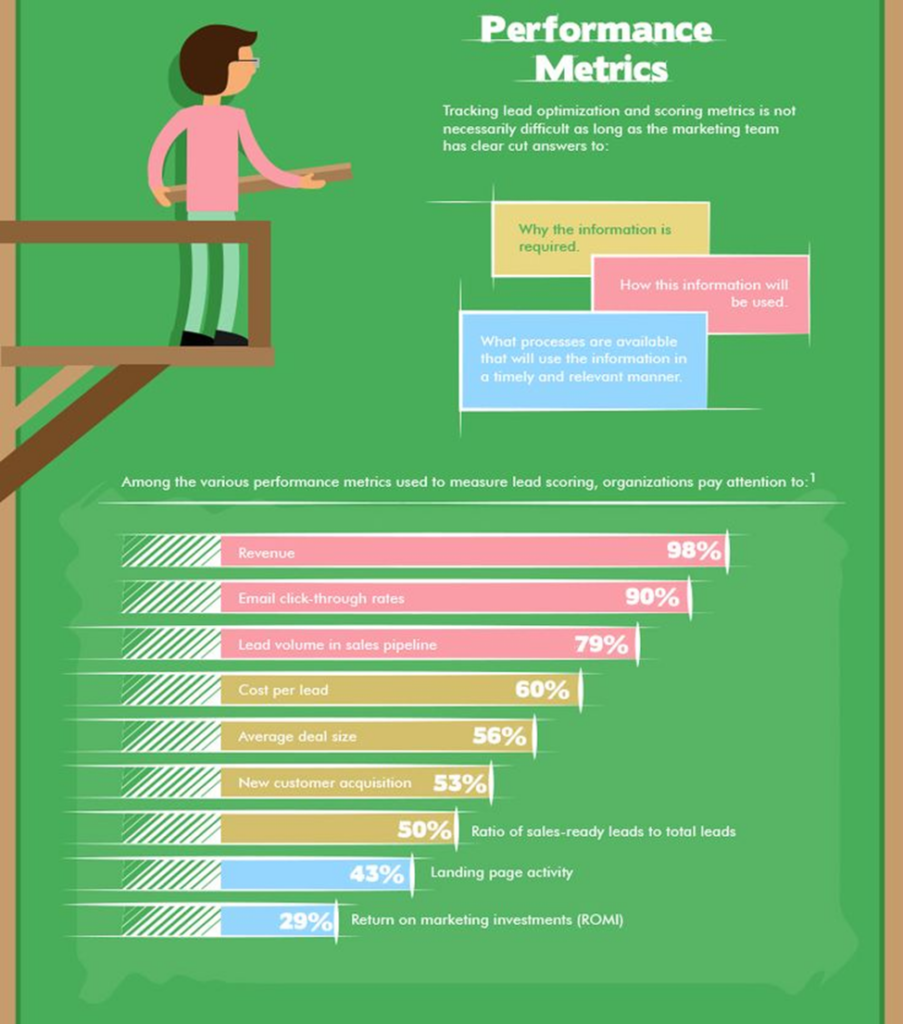
Performance metrics serve several essential purposes:
- CLARITY AND DIRECTION
Metrics clarify expectations by defining what success looks like. Employees understand priorities when goals are supported by measurable indicators.
- ACCOUNTABILITY
When results are visible and measurable, responsibility becomes clear. Teams can evaluate progress objectively and address gaps promptly.
- DATA-DRIVEN DECISION MAKING
Metrics reduce guesswork. Leaders can allocate resources, identify bottlenecks, and forecast outcomes based on reliable data rather than assumptions.
- CONTINUOUS IMPROVEMENT
Tracking performance over time reveals trends, strengths, and weaknesses. This insight enables organizations to refine processes and adopt best practices.
KEY TYPES OF PERFORMANCE METRICS

1. Financial Metrics
2. Operational Metrics
3. Customer Metrics
4. Quality Metrics
5. Employee Performance Metrics
IMPLEMENTING PERFORMANCE METRICS SUCCESSFULLY
To maximize impact, organizations should:
1. Define clear objectives before selecting metrics.
2. Involve stakeholders to ensure relevance and buy-in.
3. Use reliable tools for data collection and reporting.
4. Review metrics consistently and adjust when goals evolve.
5. Communicate results transparently and constructively.
Performance metrics should support learning and improvement rather than punishment.

Performance metrics transform ambition into measurable progress. They provide visibility, strengthen accountability, and empower informed decision-making. When aligned with strategic goals and applied thoughtfully, metrics become a powerful driver of organizational excellence. Rather than merely tracking numbers, successful organizations use performance metrics to create clarity, inspire improvement, and sustain long-term growth.
By: Adenola Eniola.