


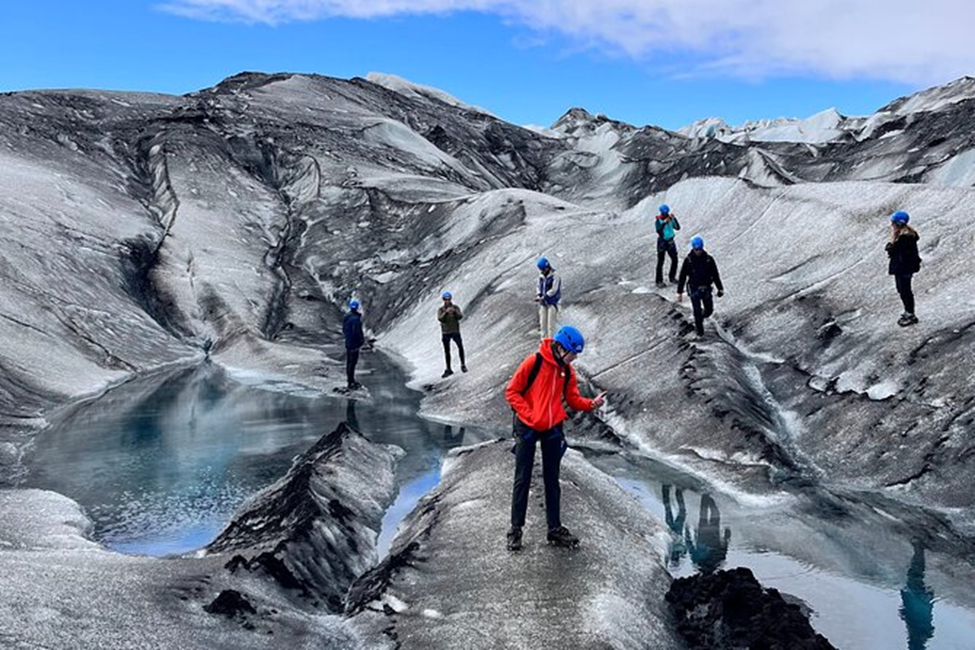
Glaciers have long stirred human imagination, standing as majestic rivers of ice carved by time, gravity, and climate. Today, glacier tourism invites travelers to step into these frozen landscapes, offering a rare chance to witness nature at its most powerful and pristine. From the shimmering ice caves of Iceland to the vast glaciers of Patagonia and the rugged peaks of Alaska, these destinations promise unforgettable encounters with the planet’s icy wonders.
At the heart of glacier tourism is adventure. Visitors can hike across ancient ice fields with expert guides, explore translucent blue crevasses, kayak beside towering ice walls, or board scenic flights that reveal sweeping panoramas of snow-covered mountain ranges. In New Zealand’s Franz Josef Glacier, travelers can access dramatic ice formations within minutes of rainforest trails, while Switzerland’s Aletsch Glacier offers cable car access and panoramic viewpoints ideal for photographers and casual explorers alike.
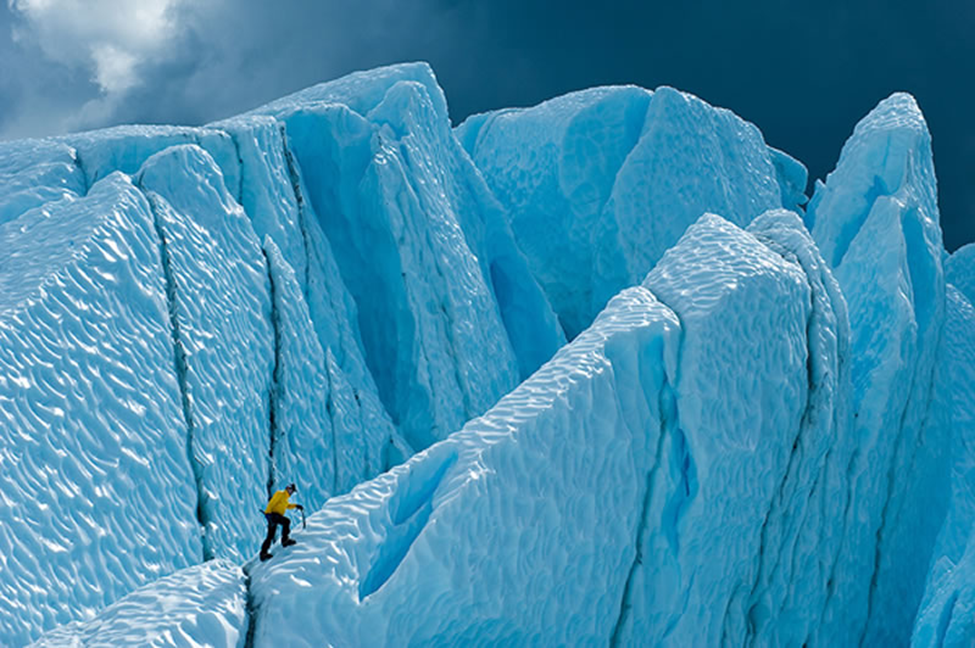
Beyond adrenaline, glacier tourism delivers profound educational value. Guided tours often include insights into glaciology, local ecosystems, and climate science, helping visitors understand how glaciers shape landscapes and regulate freshwater supplies. Many parks and visitor centers highlight the visible impacts of climate change, turning travel into a powerful learning experience and fostering environmental awareness.
However, responsible tourism is essential in these fragile environments. Glaciers are retreating worldwide due to rising temperatures, making conservation a growing priority. Sustainable practices, limiting group sizes, respecting designated paths, reducing waste, and supporting local conservation initiatives, help preserve these natural treasures for future generations. Travelers are increasingly choosing eco-certified operators and low-impact experiences that balance exploration with protection.
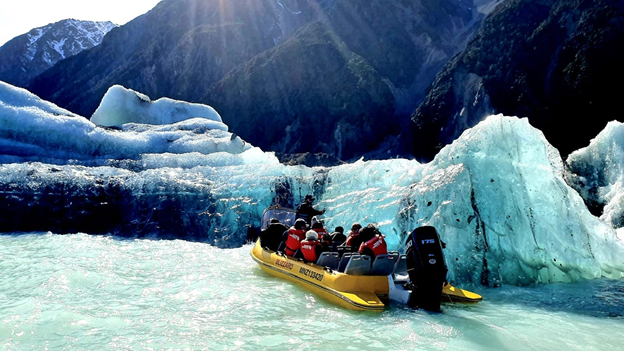
Glacier tourism also contributes significantly to local economies, supporting guides, hospitality businesses, transportation services, and research initiatives in remote regions.
In many communities, tourism provides vital income while encouraging the preservation of natural heritage and cultural identity.
Ultimately, glacier tourism is more than a sightseeing experience, it is a humbling reminder of Earth’s beauty, power, and vulnerability. Standing on ancient ice that has existed for thousands of years evokes perspective and gratitude, inspiring travelers to become stewards of the planet. For those seeking awe, education, and adventure in equal measure, the frozen frontiers offer a journey unlike any other.
By: Adenola Eniola.