


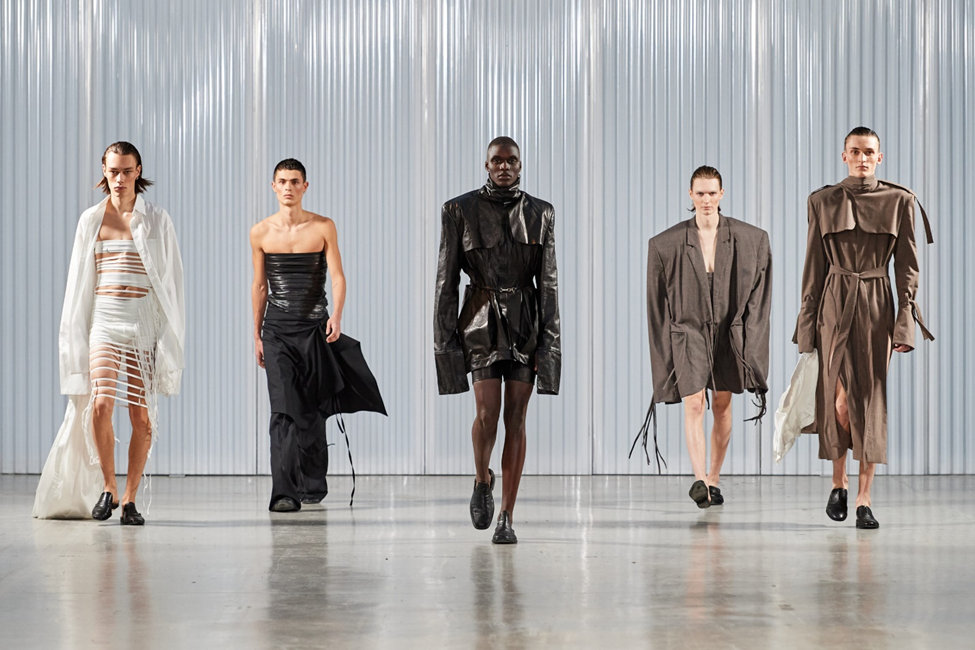
For a century, the retail floor was a battlefield of binary lines. On one side, the structured tailoring of “Menswear”; on the other, the decorative soft-silhouettes of “Womenswear.” But walk into a high-end boutique or scroll through a digital flagship today, and those walls haven’t just been thinned, they’ve been demolished.
Gender-fluid fashion is no longer a “trend” or a subcultural rebellion; it is the most significant structural shift in the industry since the invention of the mini-skirt. It is a movement that prioritizes the person over the prescription, treating clothing as a tool for self-expression rather than a label of biology.
- FROM “UNISEX” TO “FLUIDITY”
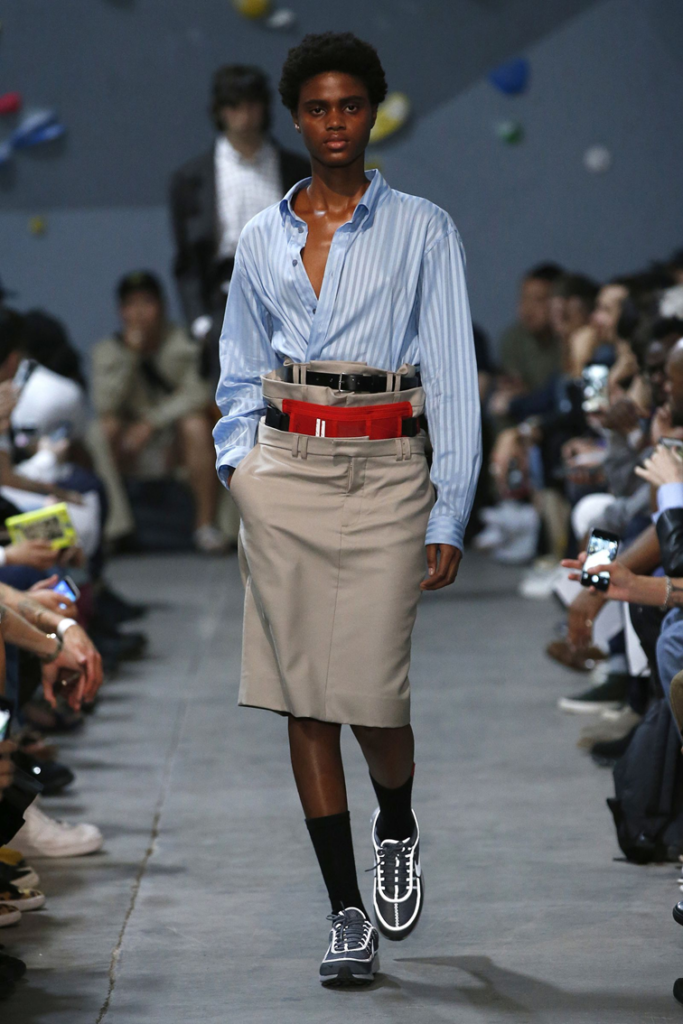
While the 90s gave us “unisex”, which often just meant oversized grey sweatshirts that fit everyone poorly, modern fluidity is about aesthetic bravery.
The New Tailoring: Designers like Harris Reed and Ludovic de Saint Sernin are leading the charge by blending traditionally “masculine” sharp shoulders with “feminine” lace, silks, and corsetry.
The Silhouette Shift: We are seeing the rise of the “Universal Fit.” Think wide-leg trousers with adjustable waists, pleated skirts paired with combat boots, and sheer organza shirts worn under heavy wool blazers.
2. THE ICONS LEADING THE CHARGE
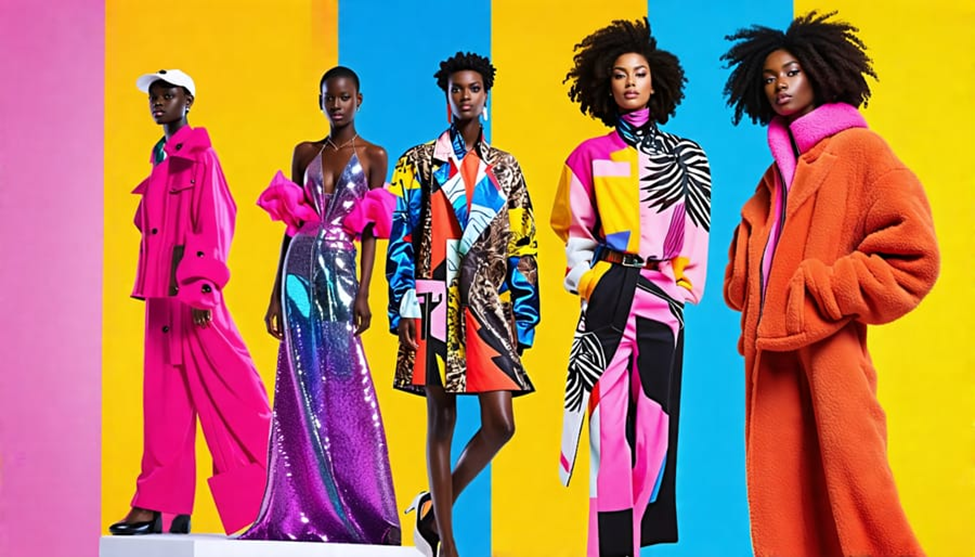
Fashion has always been driven by its muses, and the current generation of style icons has rejected the binary entirely.
Harry Styles: His Vogue cover in a Gucci dress was a watershed moment, proving that “masculinity” is not threatened by a ruffle or a pearl necklace.
Zendaya & Bella Hadid: Both have mastered the art of “menswear-inspired” dressing, often opting for oversized vintage oversized suits that emphasize power and proportion over traditional “flattery.”
3. THE LUXURY RESPONSE
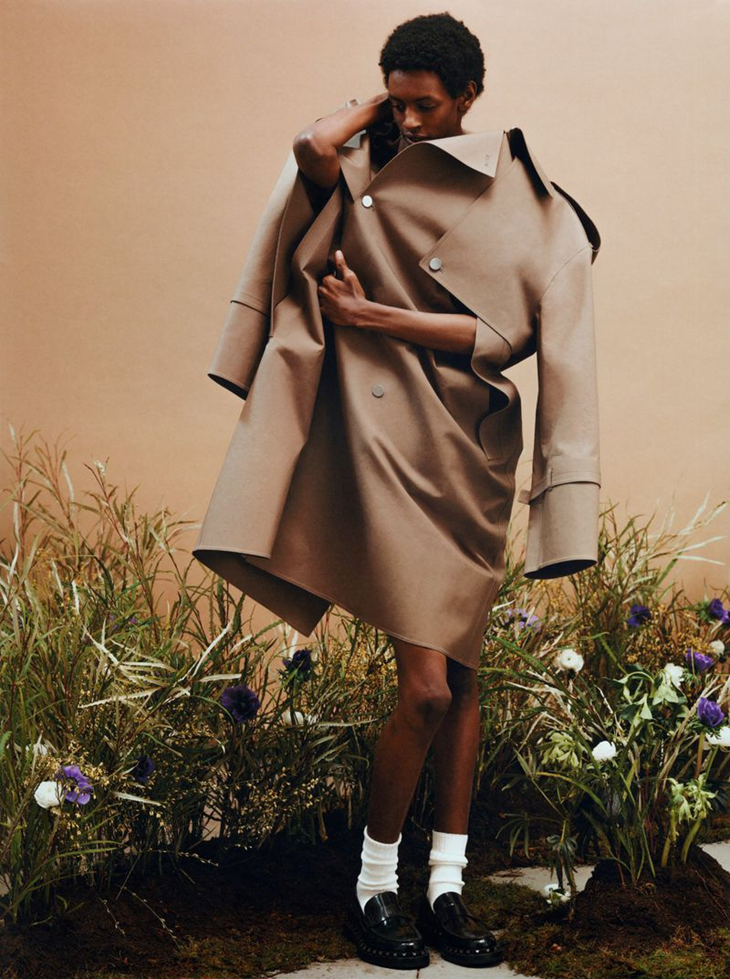
The world’s most storied fashion houses are pivoting their entire business models to accommodate this shift.
Gucci’s “Mx” Category: Gucci was one of the first major houses to launch a permanent “non-binary” shopping section, focusing on items that ignore traditional sizing and cuts.
The Runway Merger: More brands are abandoning separate “Men’s” and “Women’s” weeks in favor of Co-ed Shows, presenting a singular creative vision that applies to all bodies.
4. HOW TO BUILD A FLUID CAPSULE

You don’t need a runway budget to embrace fluidity. It starts with re-contextualizing the pieces you already own:
The Oversized Button-Down: A staple that works as a dress, a layering piece, or a traditional shirt.
Accessories as Equalizers: Jewelry, bags, and footwear are the easiest entry points. A Chunky Loafer or a string of pearls carries no inherent gender, only style.
The Power of Drape: Focus on how fabric moves. Silks, linens, and soft knits provide a “fit” that is dictated by the body’s movement, not its shape.