



In the world of fashion, “transparency” used to be a buzzword for ethical supply chains and honest pricing. Today, it’s also the season’s most daring aesthetic. From the “naked” dresses dominating the red carpet to the subtle mesh layers appearing in everyday street style, transparent fashion is redefining the boundaries between vulnerability and power.
THE EVOLUTION OF THE “NUDE LOOK”
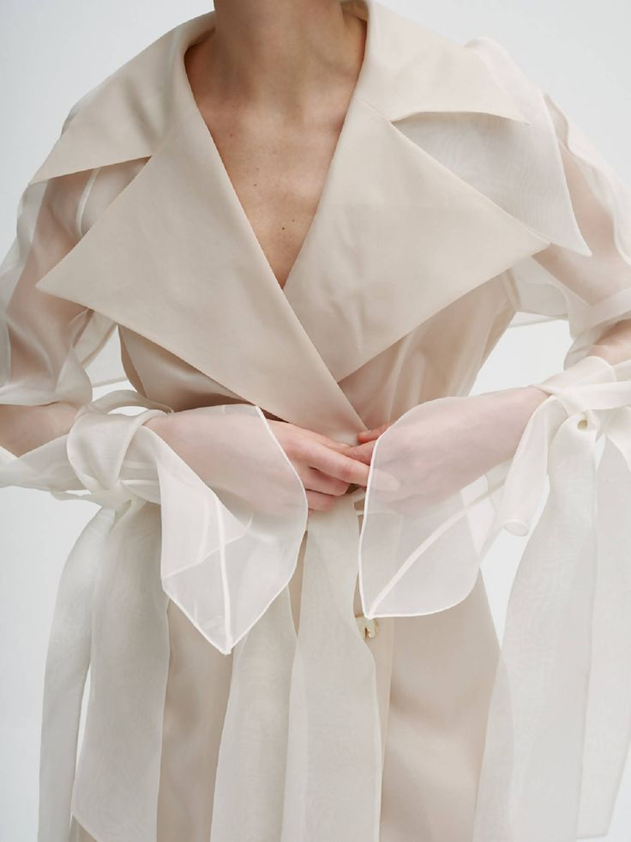
Transparency isn’t new, it has been a tool for subversion for decades. Yves Saint Laurent famously introduced the “nude look” in the late 1960s with sheer organza blouses that challenged mid-century modesty. In the 90s, Kate Moss’s iconic slip dress brought a minimalist, “waif-like” transparency to the mainstream.
The 2025 resurgence, however, feels different. It is less about shock value and more about intentionality and body positivity. Designers are using sheer fabrics as a “little present” for the wearer, allowing the body underneath to become an integral part of the garment’s design.
Styling the Unseen: From Runway to Reality
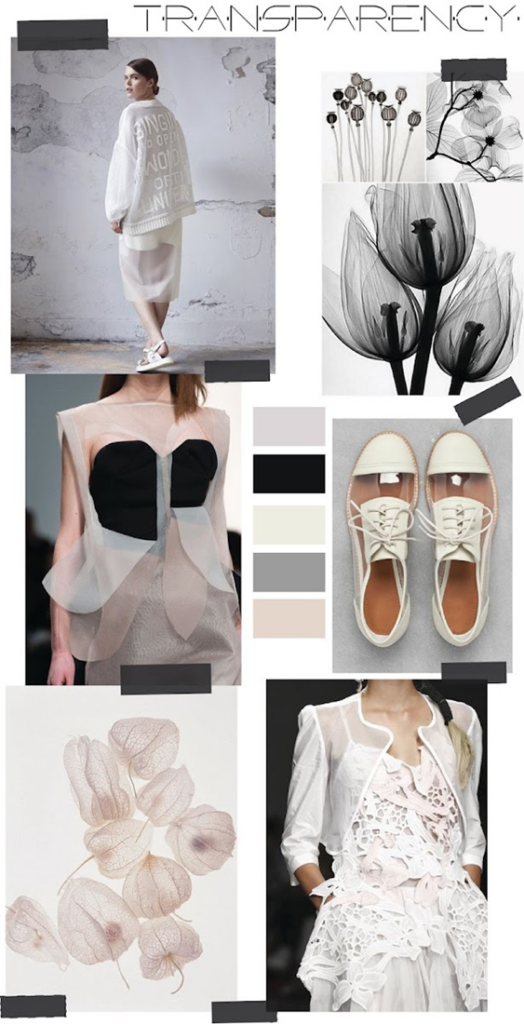
Wearing sheer clothing in real life is an art of balance. The goal isn’t just to “bare all” but to play with texture and light.
The Power of Contrast: Pair a delicate mesh top with heavy-duty tailoring, such as oversized blazers or wide-leg wool trousers.
Intentional Underlayers: The “hidden” layer is no longer hidden. Contrast a white sheer blouse with a sharp black bralette, or use a skin-tone bodysuit to create a seamless, sophisticated base for a sheer maxi dress.
The Subtle Entry Point: If a full sheer look feels too daring, start with transparent accessories or sheer sleeves. A mesh turtleneck layered under a crew neck sweater allows a hint of texture to peek out without feeling exposed.
Transparency as a Moral Value

Beyond the aesthetic, the industry is facing a push for radical transparency in its operations. Modern consumers are demanding to see the “mechanics” of their clothing, where it was made, who made it, and the environmental cost.
Innovative brands are responding with:
Digital Passports: QR codes on tags that trace a garment’s journey from fiber to finished product.
Sustainable Sheers: The development of recycled mesh (made from post-consumer plastic waste) and bioplastic couture (using red algae and plant-based polymers) ensures that the “clear” trend doesn’t leave an opaque environmental footprint.