


Kleptomania is a rare but serious mental health disorder characterized by a recurrent, uncontrollable urge to steal items that are typically not needed for personal use or monetary gain. Unlike typical shoplifting, which is often motivated by the value of the object or financial need, kleptomania is driven by an intense internal pressure that can only be relieved by the act of theft.
THE PSYCHOLOGY OF THE IMPULSE
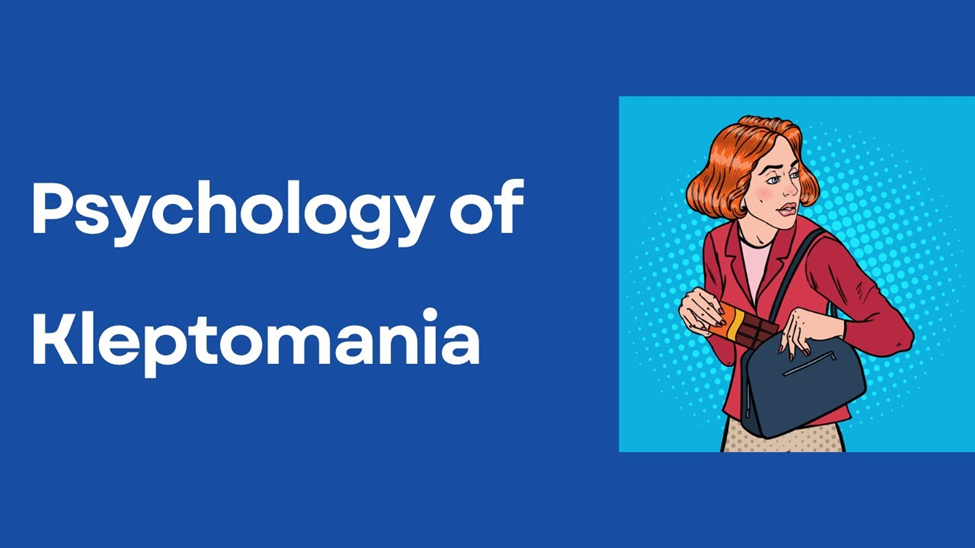
Kleptomania is classified as an impulse control disorder. Individuals with this condition experience a distinct emotional cycle:
Rising Tension: An overwhelming sense of anxiety or arousal builds up before the act.
The “Rush“: During the theft, the individual feels a momentary sense of pleasure, relief, or gratification.
The Aftermath: Once the act is over, the “high” is quickly replaced by intense guilt, shame, self-loathing, or fear of legal consequences.
Because the stolen items are often worthless or easily affordable, they are frequently hoarded, thrown away, donated, or even secretly returned to the store.
POTENTIAL CAUSES AND RISK FACTORS
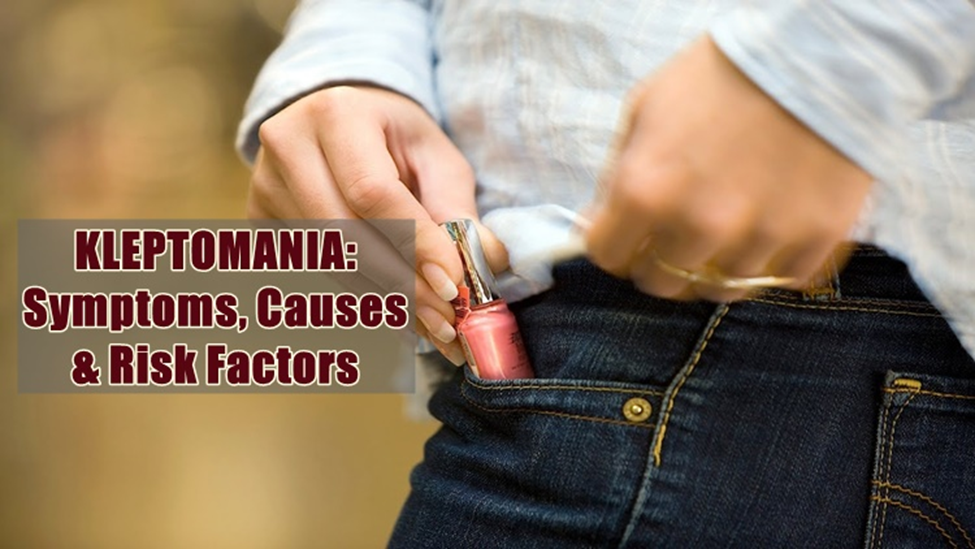
While the exact cause remains unknown, researchers believe a combination of biological and psychological factors are at play:
Brain Chemistry: Imbalances in neurotransmitters like serotonin (which regulates mood) and dopamine (the brain’s reward chemical) may impair impulse control.
Opioid System: An imbalance in the brain’s opioid system can make it harder to resist powerful urges.
Family History: Having a first-degree relative with kleptomania, obsessive-compulsive disorder (OCD), or substance use disorders may increase risk.
Co-occurring Disorders: It is common for those with kleptomania to also struggle with depression, anxiety, eating disorders, or other addictions.
TREATMENT AND MANAGEMENT
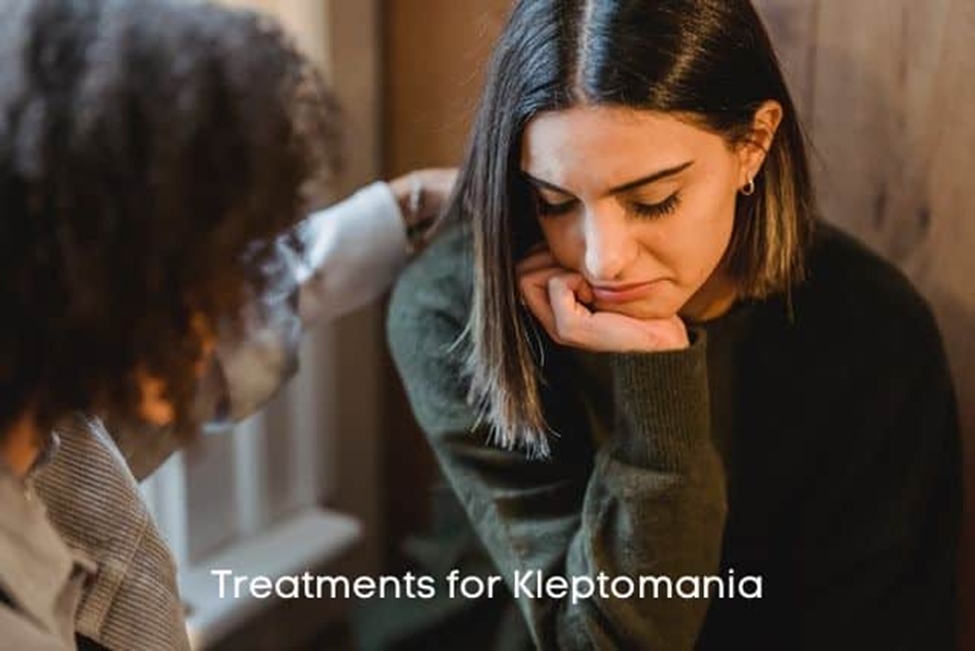
Kleptomania is a chronic condition that is difficult to overcome alone, but it can be managed with professional help:
Psychotherapy: Cognitive Behavioral Therapy (CBT) is the gold standard, helping patients identify triggers and learn healthier coping mechanisms.
Medication: While no drug is FDA-approved specifically for kleptomania, doctors may prescribe selective serotonin reuptake inhibitors (SSRIs) or opioid antagonists like naltrexone to reduce the “rush” associated with stealing.
Support Systems: Group therapy or 12-step programs can help reduce the isolation and shame often associated with the disorder.