


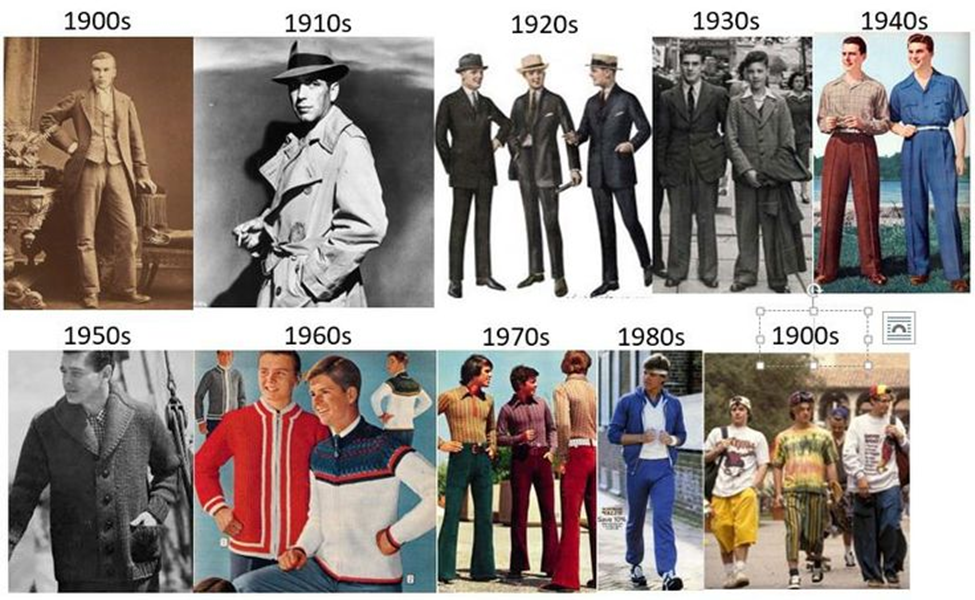
Fashion is more than clothing it’s a reflection of culture, politics, innovation, and identity. Each decade has contributed unique trends, silhouettes, and statements that continue to inspire modern style. Let’s take a walk through fashion history and explore how style has evolved from one iconic era to the next.
1920s – THE ROARING TWENTIES
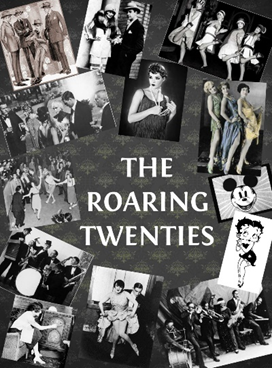
This was the decade of liberation. Women embraced shorter hemlines, loose flapper dresses, fringe, feathers, and bold beading. Coco Chanel popularized casual chic, and the cloche hat became a symbol of modern femininity.
1930s – GLAMOUR IN HARD TIMES
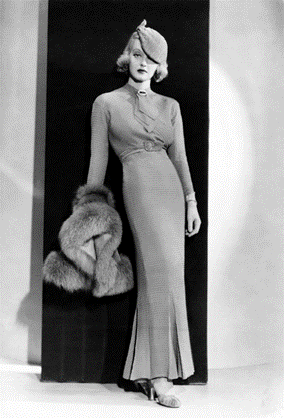
Despite the Great Depression, fashion found elegance. Bias-cut gowns, long lines, and romantic details dominated. Hollywood’s Golden Age influenced fashion with glamorous styles worn by icons like Jean Harlow and Greta Garbo.
1940s – UTILITY MEETS FEMININITY
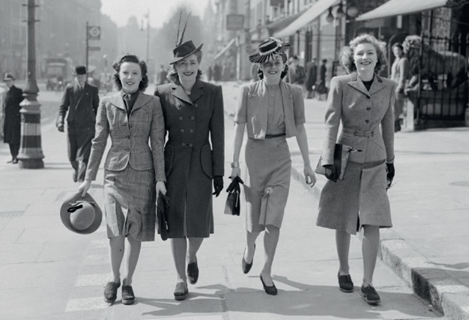
With World War II, fashion became practical. Shoulder pads, tailored suits, and knee-length skirts were common. Yet, post-war, Christian Dior’s 1947 “New Look” brought back ultra-feminine silhouettes with cinched waists and full skirts.
1950s – ELEGANCE AND DOMESTICITY
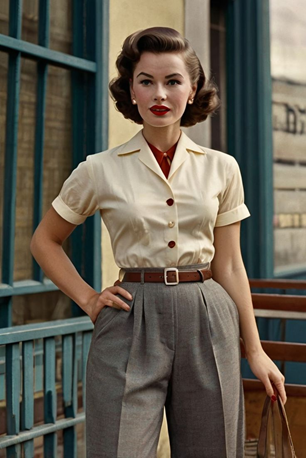
The 50s emphasized hourglass figures, petticoats, and polished glamour. Think Audrey Hepburn’s chic simplicity and Marilyn Monroe’s curve-enhancing looks. Men embraced clean-cut suits and classic Americana style.
1960s – YOUTHQUAKE AND REVOLUTION
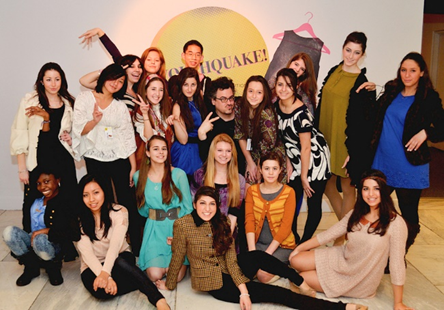
The swinging sixties broke all the rules. Mini skirts, mod prints, go-go boots, and bold colors captured youth culture. Designers like Mary Quant and André Courrèges led the charge with futuristic and daring designs.
1970s – BOHEMIAN AND DISCO VIBES
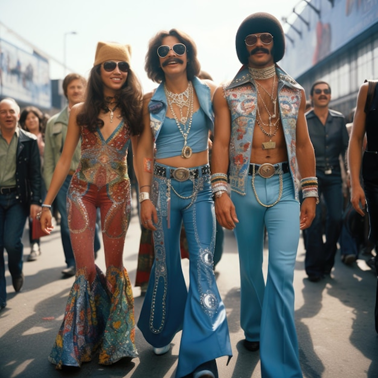
From hippie to disco, the 70s was eclectic. Flared pants, tie-dye, maxi dresses, and platform shoes defined the era. Disco brought metallics, sequins, and slinky silhouettes into the spotlight.
1980s – BIGGER, BOLDER, BRIGHTER
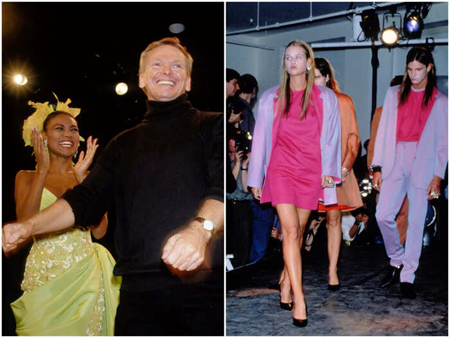
Power dressing was in. Oversized blazers, shoulder pads, neon colors, and statement accessories ruled. Pop icons like Madonna and Prince shaped edgy, expressive fashion.
1990s – MINIMALISM AND STREET STYLE
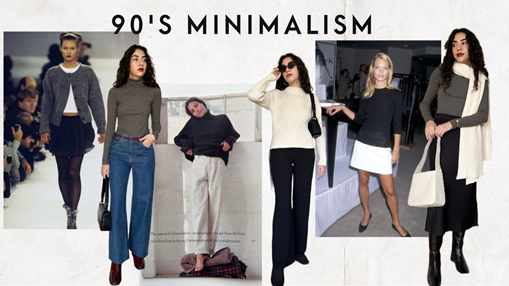
The 90s was a contrast of grunge and clean lines. Slip dresses, crop tops, flannel shirts, and high-waisted jeans made waves. Supermodels reigned, and brands like Calvin Klein and Tommy Hilfiger became household names.
2000s – Y2K & POP CULTURE FRENZY
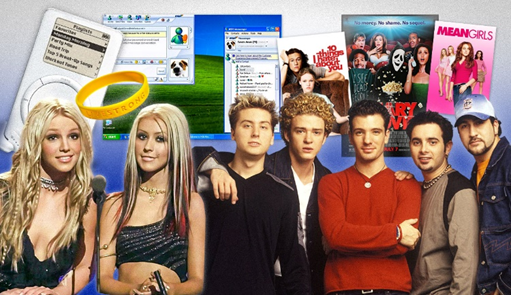
Low-rise jeans, bedazzled tops, and logo mania defined early 2000s style. Celebrities like Britney Spears and Paris Hilton influenced trends. The era was a mash-up of tech-inspired fashion and nostalgic throwbacks.
2010s – SOCIAL MEDIA AND SUSTAINABILITY
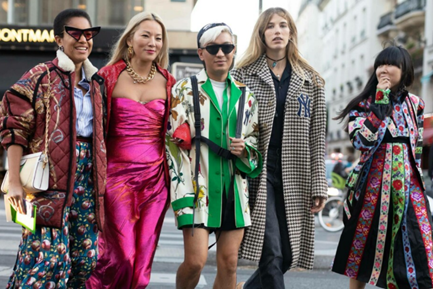
With Instagram and influencers rising, personal style became more visible and experimental. Athleisure, normcore, and gender-fluid fashion emerged. Sustainability also took center stage as shoppers became more conscious.
FASHION TODAY
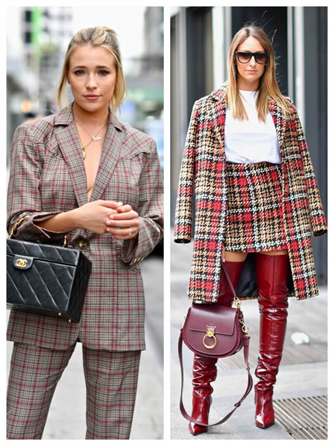
Today, fashion is a blend of past and future, vintage revivals meet digital innovation. It’s inclusive, expressive, and global. From thrifted treasures to virtual runway shows, style has no boundaries.
In the end, fashion is a mirror of the times, always changing, yet constantly inspired by its rich, stylish past.
By: Adenola Eniola.